
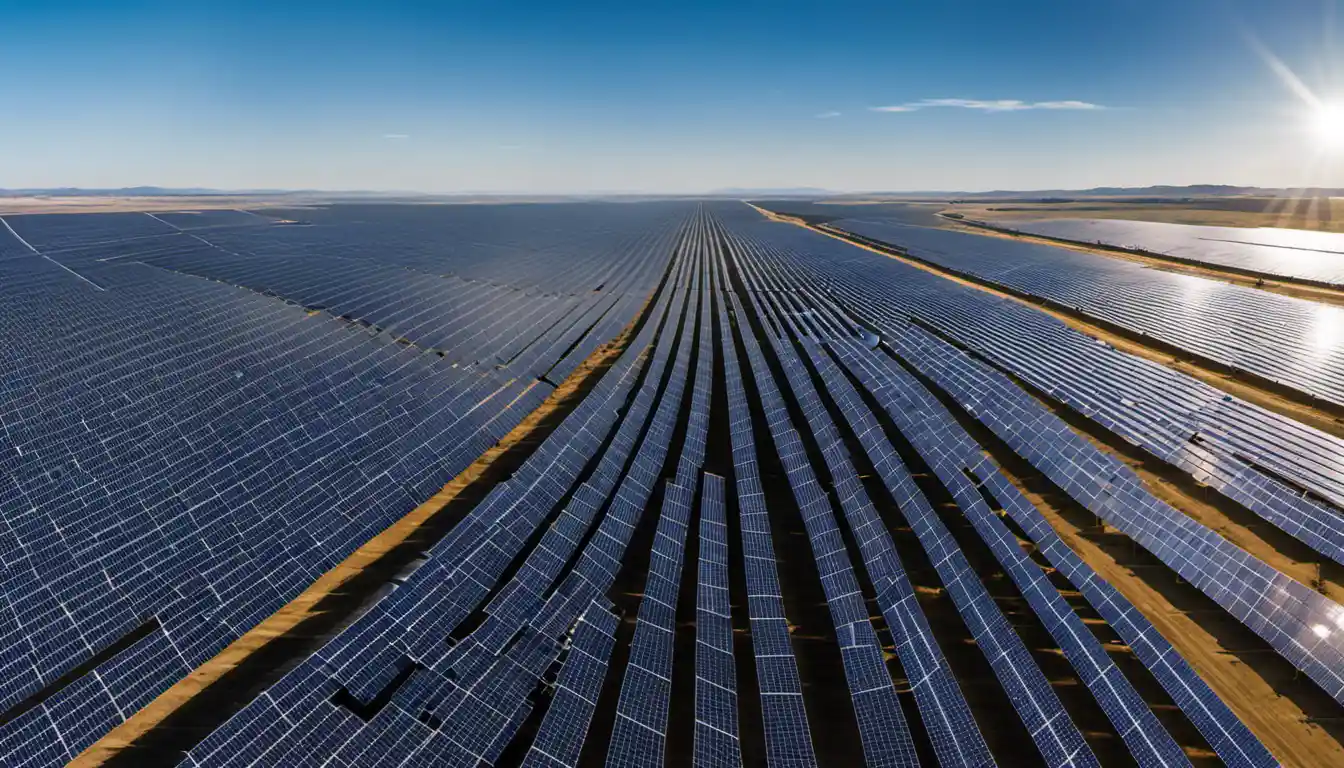
Imagine a career powered by the sun, contributing to a cleaner future while enjoying a fulfilling and in-demand job. Solar farms are popping up everywhere, and they need skilled individuals to build, maintain, and operate them. But where do you even begin?
Feeling lost in a sea of technical jargon? Perhaps you're concerned about lacking the "right" experience or unsure of which training programs are worth your investment. Many find themselves eager to join the solar revolution but struggle to navigate the path toward securing a position on a solar farm.
This guide is designed to illuminate your path into the exciting world of solar farm jobs. We'll break down the essential skills you'll need, the training programs that will give you a competitive edge, and practical steps you can take to land your dream job in the solar industry. We're here to help aspiring solar professionals like you gain clarity and confidence in pursuing a career in this rapidly growing field. Whether you are interested in solar technician, solar panel installation, solar energy, electrical work, renewable energy or solar project management, you'll find valuable advice here.
Let’s explore the key skills and training necessary to break into the solar industry, focusing on solar farm jobs. We'll examine the technical know-how, safety certifications, and educational paths that will set you apart. From understanding solar panel installation to mastering electrical concepts and project management, this guide provides a roadmap to a rewarding career in renewable energy.
Essential Technical Skills for Solar Farm Jobs
This section is crucial for anyone considering a solar farm career because it highlights the foundational technical abilities that employers seek. Understanding these skills helps you target your training and development efforts effectively.
I remember when I first became interested in solar energy. I was fascinated by the technology but felt completely overwhelmed by the technical aspects. I started by taking an introductory online course on solar panel installation. It was challenging at first, grappling with concepts like photovoltaic cells and inverter systems. But slowly, things started to click. I realized that while the technology was complex, the underlying principles were understandable with the right guidance. This experience taught me the importance of starting with a solid foundation and gradually building my knowledge base. The technical skills necessary for solar farm jobs can seem daunting, but with focused effort and the right resources, anyone can acquire them. For example, knowing how to use a multimeter is fundamental for any solar technician. Similarly, understanding the basics of electrical wiring and circuit diagrams is crucial for diagnosing and repairing faults in solar panel systems. These technical skills are not just about knowing; they're about applying that knowledge in real-world situations.
Essentially, you'll need a strong grasp of: Electrical systems, including wiring, conduit bending, and electrical safety procedures, how solar panels work, how to safely install and maintain them, including racking systems, and inverters, also you need to know how to use diagnostic tools to troubleshoot problems with equipment. Having these solid fundamentals can make you an invaluable asset in a field brimming with opportunity.
The Importance of Safety Certifications
Safety is paramount in the solar industry, and this section emphasizes the certifications that demonstrate your commitment to safe working practices. It explains why these certifications are vital for both your safety and your employability.
Solar farm environments can be hazardous, involving working at heights, handling electrical equipment, and exposure to the elements. Safety certifications prove that you've been trained to identify and mitigate these risks. For instance, OSHA 30 certification is widely recognized and covers essential safety topics like fall protection, electrical safety, and hazard communication. Obtaining this certification shows employers that you understand and can implement safe work practices. Similarly, certifications in CPR and first aid are valuable in case of emergencies on the job site. These certifications aren't just pieces of paper; they represent your dedication to preventing accidents and protecting yourself and your colleagues. The solar industry prioritizes safety above all else, and these certifications are your ticket to demonstrating your commitment. They reassure employers that you're not just skilled but also responsible and safety-conscious, significantly increasing your chances of landing a job on a solar farm.
For starters, having an OSHA 30-hour construction safety certification will demonstrate that you understand and follow safety protocols. A certification in first aid and CPR is also a plus. Make sure your qualifications show you are a safe and dependable worker, to set yourself apart from other applicants. You also need to know how to do lock out and tag out any equipment for maintenance. You are more than likely to be working on live equipment, so you need to be very aware of your surroundings.
Debunking Myths About Solar Farm Careers
Many misconceptions surround solar farm jobs, and this section dispels those myths with facts and insights. It helps potential applicants gain a more realistic understanding of the career path.
A common myth is that solar farm jobs are only for engineers or those with advanced degrees. While engineering roles exist, many positions require technical skills that can be learned through vocational training and on-the-job experience. Another myth is that the work is monotonous and unchallenging. In reality, solar farm jobs can be quite diverse, involving everything from installation and maintenance to troubleshooting and data analysis. The field is constantly evolving, requiring workers to stay up-to-date on new technologies and techniques. Furthermore, some believe that solar farm jobs are low-paying. While entry-level positions may start at a modest wage, skilled technicians and supervisors can earn competitive salaries, especially as the industry continues to grow. By debunking these myths, aspiring solar workers can approach their job search with a more informed and optimistic perspective. Understanding the realities of solar farm careers can help you make the right choices in terms of training, career planning, and job expectations, ultimately increasing your chances of success in this exciting and rapidly expanding field.
One major misconception is that you need an engineering degree to work on a solar farm. While engineers are certainly needed, many positions require skills that can be learned through vocational training and on-the-job experience. Another myth is that the work is easy and doesn't require much skill. In reality, working on a solar farm can be physically demanding and technically challenging. You'll need to be able to troubleshoot problems, work at heights, and handle heavy equipment. It's also a common idea that solar jobs aren't stable. However, with the increasing demand for renewable energy, the solar industry is booming, offering long-term career opportunities for skilled workers. With that being said, you have the power to make or break your own future, as long as you stick to the plan.
Unveiling the Secrets to Landing Your First Solar Job
This section dives deep into the strategies and tactics that can give you an edge when applying for solar farm positions. It goes beyond basic advice and reveals insider tips for making your application stand out.
One secret to landing your first solar job is networking. Attend industry events, connect with professionals on Linked In, and reach out to companies directly. Building relationships can open doors to opportunities that aren't advertised publicly. Another secret is to tailor your resume and cover letter to each specific job. Highlight the skills and experience that are most relevant to the position, and explain why you're passionate about working in the solar industry. Additionally, consider volunteering or interning with a solar company to gain practical experience. This can be a great way to learn the ropes, make connections, and demonstrate your commitment to the field. Finally, don't be afraid to start with an entry-level position and work your way up. Many companies promote from within, so showing initiative and dedication can lead to advancement opportunities. By using these secrets, you can significantly increase your chances of landing your first solar job and launching a successful career in the renewable energy sector. Don't be afraid to fail, failing is just another way to learn. There is no elevator to success, you have to take the stairs.
One is to focus on gaining practical experience, even if it's through volunteer work or an internship. Another is to network within the industry. Attend solar energy conferences and workshops, and connect with professionals on Linked In. Get familiar with solar energy companies. Also, make sure your resume and cover letter are tailored to each specific job you apply for. Highlight the skills and experiences that are most relevant to the position, and explain why you're passionate about working in the solar industry. A lot of what people assume when they get into the field is that they automatically know how to do the job. That is far from the truth, you will always be learning, and growing.
Top Training Programs and Certifications to Consider
This section provides a curated list of recommended training programs and certifications that are highly valued in the solar industry. It guides you toward the best educational paths for career advancement.
Several training programs and certifications can significantly boost your prospects in the solar industry. One highly recommended program is the North American Board of Certified Energy Practitioners (NABCEP) certification. NABCEP offers certifications for solar panel installers, designers, and technical sales professionals, demonstrating your expertise and credibility. Another valuable option is a certificate or associate's degree in solar energy technology from a community college or vocational school. These programs provide a comprehensive understanding of solar energy principles and hands-on training in installation and maintenance. Additionally, consider specialized training in areas like photovoltaic system design, battery storage, and microgrid technology to further enhance your skills. When choosing a training program, look for one that is accredited, taught by experienced instructors, and offers practical, hands-on experience. Investing in the right training programs and certifications can set you apart from the competition and open doors to higher-paying positions with greater responsibility. Knowledge is power, and with the right knowledge, you can achieve the impossible. With the boom in the industry, there is bound to be more and more training being put out there, so you will have options.
For those looking to enter the solar industry, there are several top training programs and certifications to consider. The North American Board of Certified Energy Practitioners (NABCEP) offers certifications for solar installers, designers, and technical sales professionals. These certifications are widely recognized and respected in the industry. Another option is to pursue an associate's degree or certificate in solar energy technology from a community college or vocational school. These programs provide a comprehensive understanding of solar energy principles and hands-on training in installation and maintenance. It's important to research different programs and choose one that aligns with your career goals and interests. If you are looking to get into solar panel installation and repair, there are plenty of trade schools you can attend to fast track your career.
Understanding the Roles on a Solar Farm
This subsection delves into the various job roles available on a solar farm, providing a clear picture of the different responsibilities and career paths within the industry.
A solar farm isn't just about solar panels; it's a complex ecosystem of various roles working together to generate clean energy. Understanding these roles can help you identify the best fit for your skills and interests. Solar installers are responsible for physically installing the solar panels and related equipment, often working at heights and in outdoor conditions. Electrical technicians handle the electrical wiring and connections, ensuring the system is properly grounded and safe. Maintenance technicians perform routine inspections and repairs, keeping the solar farm operating at peak efficiency. Project managers oversee the entire project, from planning and construction to commissioning and operation. Engineers design the solar farm layout and ensure the system meets performance standards. Additionally, there are roles in sales, marketing, and administration that support the overall operation of the solar farm. Each role requires a different set of skills and qualifications, so researching the different options can help you choose the right path. By understanding the diverse roles on a solar farm, you can make a more informed decision about your career and focus your training and development efforts accordingly. Remember to take time for yourself, always know your worth, and never take no for an answer.
Building a Strong Resume and Cover Letter
This section focuses on the practical steps of crafting a compelling resume and cover letter that will grab the attention of hiring managers in the solar industry. It provides specific tips and examples to help you showcase your skills and experience effectively.
When applying for solar farm jobs, your resume and cover letter are your first impression. Make sure they are polished, professional, and tailored to each specific position. Start by highlighting your relevant skills and experience, such as electrical knowledge, construction experience, or experience working with renewable energy systems. Use action verbs to describe your accomplishments and quantify your results whenever possible. In your cover letter, explain why you're interested in working in the solar industry and what you can bring to the company. Research the company and mention specific projects or initiatives that resonate with you. Also, proofread carefully for any errors in grammar or spelling. A well-crafted resume and cover letter can make a significant difference in getting your foot in the door. Consider using a professional resume writing service if you're struggling to showcase your skills and experience effectively. Remember, your resume is your marketing tool, so make sure it highlights your strengths and demonstrates your value to potential employers. Do not undervalue yourself for a company who doesn't see your value. You are worth every penny. Do not settle for a company because of money, make sure it is some place you will enjoy going everyday.
Tips for Nailing the Interview
This section provides actionable advice on how to prepare for and ace your interview for a solar farm job. It covers common interview questions, strategies for showcasing your personality, and ways to make a lasting impression.
How to Highlight Your Passion for Renewable Energy
Demonstrating your enthusiasm for renewable energy is crucial during a solar farm job interview. Employers want to see that you're genuinely interested in the industry and committed to making a difference. One way to highlight your passion is to talk about your personal experiences with renewable energy, such as installing solar panels on your home or volunteering with a local environmental organization. You can also discuss your knowledge of current events in the solar industry and your opinions on the future of renewable energy. Be prepared to answer questions like "Why are you interested in working in the solar industry?" and "What are your thoughts on the role of solar energy in addressing climate change?" Showing that you're not just looking for a job but also passionate about the mission of the solar industry can set you apart from other candidates. Additionally, research the company's values and mission and explain how your personal values align with theirs. Passion is contagious, so let your enthusiasm shine through during the interview. Employers are more likely to hire someone who is passionate about the work than someone who is simply looking for a paycheck. Remember to be yourself and let your personality shine through. If you're not a good fit for the company, it's better to find out during the interview process than after you've been hired. Make sure to ask some questions at the end of the interview, if not, they might think you were not paying attention.
Fun Facts About the Solar Industry
This section presents interesting and little-known facts about the solar industry, making the topic more engaging and showcasing the dynamic nature of the field. It provides conversation starters and helps you impress others with your knowledge.
Did you know that the sun provides enough energy to power the entire Earth for a year in just one hour? Or that the first solar cell was invented in 1883 by Charles Fritts, who coated selenium with a thin layer of gold? The solar industry is full of fascinating facts and figures that can spark curiosity and inspire a deeper appreciation for renewable energy. For example, the largest solar farm in the world is the Bhadla Solar Park in India, which has a capacity of over 2.2 gigawatts. Solar energy is also becoming increasingly affordable, with the cost of solar panels decreasing by over 80% in the past decade. This makes solar energy more accessible to homeowners and businesses alike. In addition to environmental benefits, the solar industry also creates jobs and stimulates economic growth. The solar industry employs millions of people worldwide and is expected to continue growing in the coming years. By learning about these fun facts, you can impress your friends, family, and potential employers with your knowledge of the solar industry. It shows that you're not just interested in the job but also passionate about the field and its potential to transform the world. Make sure to always go into work with a positive attitude. Even on days you are dreading, it could always be worse. Remember where you started from. If you do not like your place of employment, you have the power to find another one that you enjoy.
How to Stay Updated on Industry Trends
The solar industry is constantly evolving, and this section offers advice on how to stay informed about the latest trends, technologies, and regulations. It emphasizes the importance of continuous learning and professional development.
Staying up-to-date on industry trends is essential for anyone working in the solar field. The solar industry is constantly evolving, with new technologies and regulations emerging all the time. One way to stay informed is to subscribe to industry publications and newsletters, such as Solar Power World, PV Magazine, and Renewable Energy World. These publications provide in-depth coverage of the latest news, trends, and innovations in the solar industry. Another way to stay updated is to attend industry conferences and webinars. These events offer opportunities to learn from experts, network with peers, and see the latest products and technologies firsthand. Additionally, consider joining professional organizations like the Solar Energy Industries Association (SEIA) or the American Solar Energy Society (ASES). These organizations provide resources, networking opportunities, and advocacy for the solar industry. Finally, make sure to continuously learn and develop your skills by taking online courses, attending workshops, and pursuing certifications. The more you know about the solar industry, the more valuable you'll be to your employer and the more opportunities you'll have for career advancement. Never stop asking questions. No question is a dumb question. There is so much to learn, and you want to make sure you are learning as much as possible.
What If You Don't Have Direct Experience?
This section addresses a common concern among job seekers: lacking direct experience in the solar industry. It provides strategies for highlighting transferable skills, gaining relevant experience, and demonstrating your potential to employers.
Many people are interested in working in the solar industry but feel discouraged because they don't have direct experience. However, it's important to remember that many skills are transferable and can be applied to solar farm jobs. For example, if you have experience in construction, electrical work, or project management, those skills can be valuable on a solar farm. Highlight those skills in your resume and cover letter, and explain how they relate to the specific job you're applying for. Another way to gain relevant experience is to volunteer with a solar company or take on a side project that involves solar energy. This can be a great way to learn the ropes, make connections, and demonstrate your commitment to the field. Additionally, consider taking online courses or attending workshops to learn more about solar energy technology and installation. The more you know, the more confident you'll be in your ability to succeed in a solar farm job. Finally, don't be afraid to start with an entry-level position and work your way up. Many companies are willing to train people who are motivated and eager to learn. Remember, everyone starts somewhere, and with hard work and dedication, you can achieve your dream of working in the solar industry. Never give up on your dreams, the only thing standing in your way, is yourself.
List of Useful Resources for Aspiring Solar Professionals
This section compiles a list of valuable resources, including websites, organizations, and publications, that can help aspiring solar professionals stay informed, connect with others, and advance their careers. It serves as a starting point for further exploration and learning.
Aspiring solar professionals have a wealth of resources available to them to help them stay informed, connect with others, and advance their careers. Here's a list of some useful resources:
- Solar Energy Industries Association (SEIA): SEIA is the leading trade association for the solar industry in the United States. Their website provides information on policy, market trends, and industry events.
- North American Board of Certified Energy Practitioners (NABCEP): NABCEP offers certifications for solar installers, designers, and technical sales professionals. Their website provides information on certification requirements and training programs.
- Solar Power World: Solar Power World is a leading industry publication that provides news, analysis, and insights on the solar market.
- PV Magazine: PV Magazine is another leading industry publication that covers the latest news, trends, and technologies in the solar industry.
- Renewable Energy World: Renewable Energy World is a comprehensive resource for all types of renewable energy, including solar, wind, and hydro.
- Linked In: Linked In is a great platform for connecting with other solar professionals, joining industry groups, and finding job opportunities.
- U.S. Department of Energy (DOE): The DOE's website provides information on solar energy research, development, and deployment.
- National Renewable Energy Laboratory (NREL): NREL is a research laboratory that conducts research on renewable energy technologies, including solar.
- Local solar companies: Reach out to local solar companies to learn more about their operations and potential job opportunities.
- Online courses: Take online courses on solar energy technology, installation, and maintenance to learn more about the industry.
By utilizing these resources, aspiring solar professionals can stay informed, connect with others, and advance their careers in the solar industry. Remember to always go above and beyond when doing your job. Hard work never goes unnoticed. Sooner or later someone is going to notice, and it might be your ticket to the big leagues.
Question and Answer
Here are some frequently asked questions about breaking into the solar industry:
Q: What are the most in-demand skills for solar farm jobs?
A: Electrical knowledge, solar panel installation expertise, understanding of safety protocols, and troubleshooting skills are highly sought after.
Q: Do I need a college degree to work on a solar farm?
A: Not necessarily. While engineering roles require degrees, many technician and installer positions can be obtained with vocational training and certifications.
Q: How can I gain experience if I'm new to the industry?
A: Consider volunteering, interning, or taking on side projects related to solar energy to gain practical experience and build your resume.
Q: What are the typical career paths on a solar farm?
A: You can start as a solar panel installer or electrical technician and advance to roles like maintenance supervisor, project manager, or even engineering positions with further education and experience.
Conclusion of Breaking into the Solar Industry: Essential Skills and Training for Solar Farm Jobs
Embarking on a solar career is a great opportunity to contribute to a sustainable future. By focusing on essential technical skills, obtaining relevant safety certifications, debunking common myths, and leveraging key strategies, you can successfully enter this thriving industry. Remember to stay updated on industry trends, build a strong resume, and prepare thoroughly for interviews. With the right skills and dedication, you can power your career with the sun!