
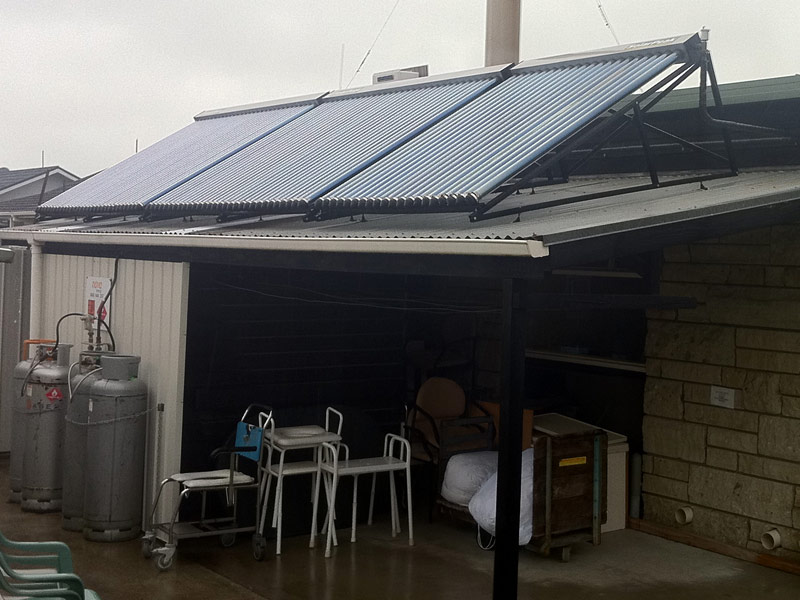
Large-scale solar water heating is revolutionizing how industries approach their energy needs, offering substantial cost savings, environmental benefits, and long-term sustainability. Forward-thinking businesses are increasingly adopting solar thermal energy solutions to reduce their carbon footprint and improve their bottom line. This comprehensive guide explores the multifaceted advantages of integrating solar hot water systems into various industrial operations.
Understanding Large-Scale Solar Water Heating Systems
At its core, a solar water heating system harnesses the sun's energy to heat water, which can then be used for a multitude of industrial processes. These systems typically comprise solar collectors, storage tanks, and a circulation system. Solar collectors, often mounted on rooftops or open ground, absorb sunlight and transfer the heat to a working fluid, usually water or a water-glycol mixture. This heated fluid then circulates to a storage tank, where the heat is transferred to the water supply.
The heart of any solar hot water system is its thermal collector. There are several types, each suited to different applications and climates: Flat Plate Collectors:These are the most common and cost-effective type, ideal for moderate climates and applications requiring temperatures up to 180°F. They consist of a dark, heat-absorbing surface covered by a transparent glazing, housed in an insulated frame.
Evacuated Tube Collectors: These collectors are more efficient than flat plate collectors, especially in colder climates or when higher temperatures are required. They consist of glass tubes containing a vacuum, which minimizes heat loss.
Concentrating Collectors: These collectors use mirrors or lenses to focus sunlight onto a smaller area, achieving very high temperatures. They are typically used in large-scale industrial applications requiring extremely hot water or steam.
The size of the storage tank depends on the hot water demand and the size of the solar collector array. Proper insulation of the tank is crucial to minimize heat loss and maintain water heating efficiency.
Key Industries Benefitting from Solar Water Heating
Numerous industries can reap significant rewards from adopting large-scale solar water heating. Here are a few prominent examples:
Hospitality and Accommodation
Hotels, resorts, and other accommodation providers have substantial hot water needs for guest rooms, kitchens, laundry facilities, and swimming pools. Solar water heating can significantly reduce their reliance on conventional energy sources, leading to substantial renewable energy savings and lower operating costs. In addition, many guests now actively seek eco-friendly energy solutions, making solar water heating a valuable marketing asset.
Healthcare Facilities
Hospitals, clinics, and nursing homes require a constant supply of hot water for sanitation, laundry, bathing, and various medical procedures. Implementing solar hot water systems can ensure a reliable and cost-effective supply of hot water while reducing the facility's environmental impact. The long-term savings and enhanced reputation associated with green home technology make this a compelling choice.
Food Processing and Agriculture
Food processing plants use hot water for cleaning, sanitation, and various processing operations. Similarly, agricultural operations often require hot water for cleaning equipment, sterilizing greenhouses, and heating livestock facilities. Solar water heating can provide a sustainable and cost-effective solution for these needs, improving operational efficiency and reducing energy costs.
Manufacturing
Many manufacturing processes require hot water or steam for heating, cleaning, and other applications. Industries such as textiles, chemicals, and paper production can benefit from implementing solar water heating systems to reduce their energy consumption and carbon footprint. By integrating solar thermal energy into their operations, manufacturers can improve their sustainability profile and enhance their competitiveness.
Educational Institutions
Universities, colleges, and schools consume significant amounts of hot water for dormitories, cafeterias, and athletic facilities. Installing solar water heating systems can reduce their energy bills and provide a valuable educational opportunity for students, demonstrating a commitment to environmental stewardship and promoting renewable heating options.
Financial Incentives and Rebates
One of the most compelling reasons for industries to adopt large-scale solar water heating is the availability of various financial incentives and rebates. Governments at the federal, state, and local levels often offer tax credits, grants, and rebates to encourage the adoption of renewable energy technologies. These incentives can significantly reduce the initial installation costs and improve the return on investment.
In the United States, for example, the federal government offers an Investment Tax Credit (ITC) for solar energy projects. This credit can cover a significant portion of the system's cost, making solar water heating a more affordable option. Many states also offer additional incentives, such as rebates, tax credits, and property tax exemptions. These state-level incentives can further reduce the financial burden of installing a solar hot water system.
It is crucial for businesses to research and take advantage of all available incentives to maximize their cost savings. Consulting with a qualified solar installer can help navigate the complex landscape of financial incentives and ensure that the project is eligible for all applicable programs.
Enhancing Energy Efficiency and Reducing Costs
Beyond financial incentives, large-scale solar water heating offers significant long-term cost savings through improved energy efficiency. By reducing reliance on conventional energy sources such as electricity or natural gas, businesses can lower their utility bills and insulate themselves from fluctuating energy prices.
Solar water heating systems can be integrated with existing heating systems to provide a hybrid solution. This approach allows businesses to use solar energy as the primary source of hot water while relying on conventional systems as a backup during periods of low sunlight. Integrating with existing systems ensures a reliable hot water supply while maximizing the use of renewable energy.
Effective hot water demand management is also crucial for maximizing the benefits of solar water heating. Implementing strategies to reduce hot water consumption, such as installing low-flow fixtures and insulating hot water pipes, can further improve energy efficiency and reduce costs.
DIY Solar Heater Options for Smaller Applications
While large-scale solar water heating systems are ideal for industrial applications, smaller businesses or residential facilities can explore DIY solar heater options for more modest hot water needs. These systems typically involve constructing a simple solar collector using readily available materials and connecting it to a small storage tank.
While DIY solar heaters may not provide the same level of performance as professionally installed systems, they can still offer significant cost savings and environmental benefits. They are particularly suitable for applications such as heating water for a small workshop, greenhouse, or outdoor shower.
However, it is crucial to exercise caution when building and installing a DIY solar heater. Proper planning, design, and safety precautions are essential to ensure the system operates safely and efficiently.
Choosing the Right System and Installer
Selecting the right solar water heating system and installer is crucial for ensuring a successful project. Consider the following factors when making your decision: Hot Water Demand:Assess your hot water needs to determine the appropriate size and type of solar collector and storage tank.
Climate: Consider your local climate when selecting a solar collector. Evacuated tube collectors are generally more efficient in colder climates, while flat plate collectors may be sufficient in warmer regions.
Budget: Determine your budget and explore available financial incentives to find a system that meets your needs and fits your budget.
Installer Experience: Choose a reputable and experienced solar installer with a proven track record of successful installations.
Warranty: Ensure that the system and installation are covered by a comprehensive warranty.
Obtain multiple quotes from different installers and compare their proposals carefully. Ask for references and check their credentials to ensure they are qualified to install your system properly.
Seasonal and Safety Considerations
Solar water heating systems require proper maintenance and safety precautions to ensure optimal performance and longevity. Here are some essential considerations: Freeze Protection:In colder climates, it is crucial to protect the system from freezing. Use a water-glycol mixture as the working fluid to prevent freezing, and insulate pipes and components.
Overheating Protection: During periods of high sunlight and low hot water demand, the system may overheat. Install a pressure relief valve to prevent excessive pressure buildup.
Regular Maintenance: Inspect the system regularly for leaks, corrosion, and other damage. Clean the solar collectors periodically to remove dirt and debris.
Professional Inspection: Schedule a professional inspection every few years to ensure the system is operating safely and efficiently.
The Future of Solar Water Heating
Solar water heating is poised for continued growth as industries increasingly recognize its economic and environmental benefits. Ongoing technological advancements are improving the efficiency and affordability of solar collectors and storage systems.
As concerns about climate change and energy security continue to grow, governments are likely to implement more policies and incentives to promote the adoption of renewable energy technologies, including solar water heating. This will further drive the growth of the solar water heating market and make it an even more attractive option for industries looking to reduce their carbon footprint and improve their bottom line.
In conclusion, large-scale solar water heating offers a compelling solution for industries seeking to reduce their energy costs, improve their sustainability profile, and enhance their competitiveness. By harnessing the power of the sun, businesses can unlock significant economic and environmental benefits while contributing to a cleaner and more sustainable future. Whether it's through professional installation or practical DIY solutions, embracing solar hot water is a step towards eco-friendly energy solutions and a brighter tomorrow.