
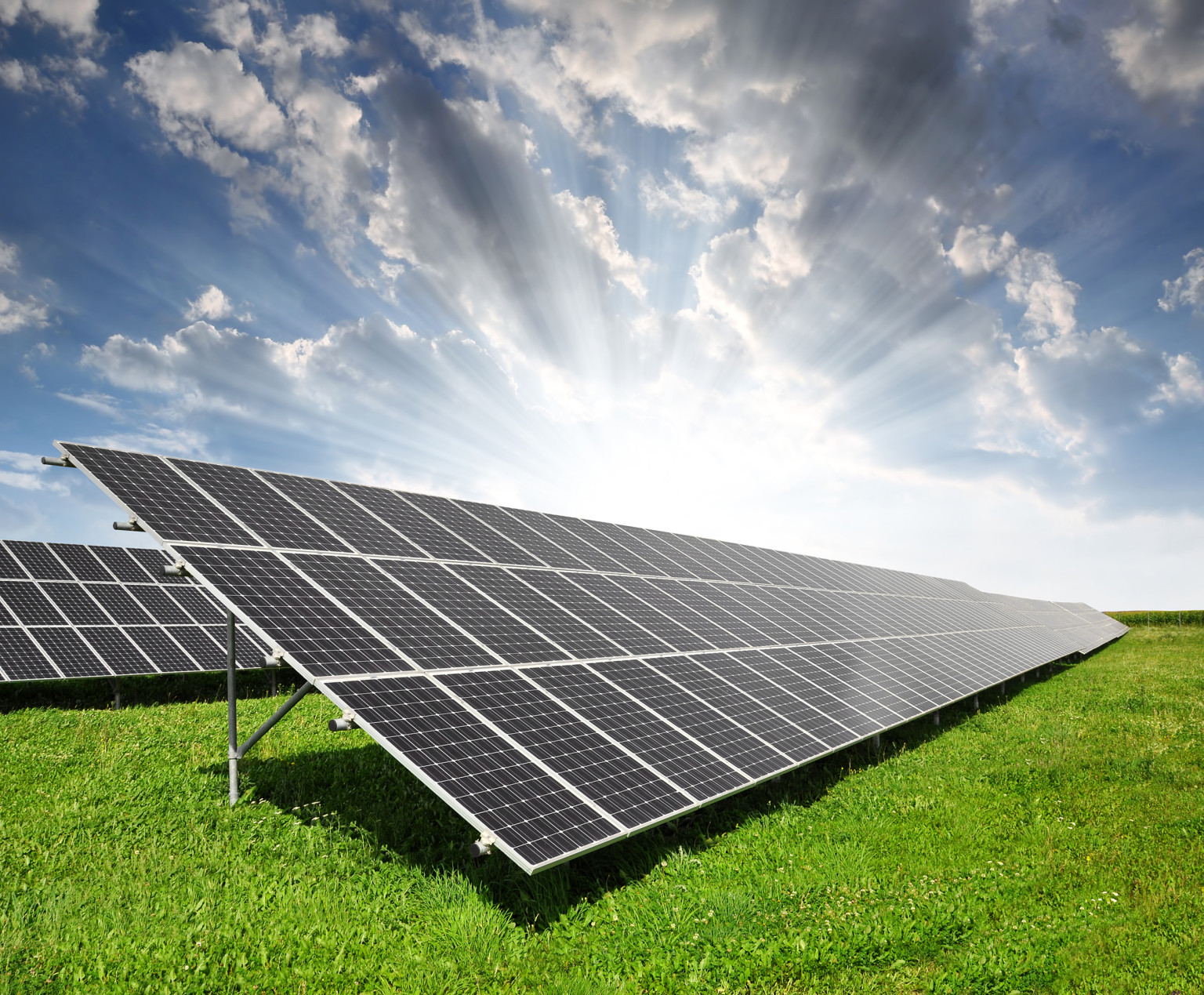
For communities residing beyond the reach of traditional power grids, accessing basic amenities can be a daily challenge. One crucial need, often overlooked, is readily available hot water. Solar water heating provides a reliable, sustainable, and economically sound solution, transforming lives and fostering self-sufficiency in off-grid settings. By harnessing the sun's energy, these communities can unlock opportunities for improved hygiene, sanitation, and overall quality of life, all while minimizing their environmental footprint.
Understanding Solar Water Heating Systems
Solar water heating, also known as solar thermal energy, is a technology that uses sunlight to heat water. Unlike photovoltaic (PV) systems that generate electricity, solar water heaters directly capture the sun’s thermal energy, making them incredibly efficient. The basic system comprises solar collectors, a storage tank, and a circulation system.
Solar Collectors: These are typically flat-plate collectors or evacuated tube collectors. Flat-plate collectors consist of an insulated, weatherproof box with a dark-colored absorber plate, usually made of copper or aluminum. The absorber plate heats up when exposed to sunlight, transferring the heat to water or a heat-transfer fluid circulating through tubes attached to the plate. Evacuated tube collectors, on the other hand, consist of rows of glass tubes containing a vacuum. This vacuum minimizes heat loss, making them more efficient, especially in colder climates. They are often more expensive, but provide better renewable energy savings in challenging weather conditions. Storage Tank: The heated water from the collectors is stored in an insulated tank, similar to a conventional water heater. This tank allows hot water to be available even when the sun isn't shining. The size of the tank depends on the hot water demand of the household or community. Circulation System:This system moves the water or heat-transfer fluid between the collectors and the storage tank. In passive systems, also known as thermosiphon systems, natural convection drives the circulation. Hot water rises and flows into the tank, while cooler water flows down to the collectors. Active systems use a pump to circulate the fluid, allowing for more flexibility in the placement of the collectors and tank.
The Benefits for Off-Grid Communities
Implementing solar hot water systems in off-grid communities brings numerous advantages that extend far beyond just having access to hot water.
Improved Health and Hygiene: Hot water is essential for maintaining proper hygiene. It enables more effective handwashing, crucial for preventing the spread of diseases. It also allows for better sanitation in food preparation and cleaning, leading to healthier living conditions. Economic Empowerment: Reliance on traditional fuels like wood or kerosene for heating water can be costly and time-consuming. Solar water heating reduces or eliminates these costs, freeing up resources for other essential needs. The money saved can be reinvested in education, healthcare, or income-generating activities. Furthermore, the creation of local jobs related to the installation, maintenance, and repair of solar hot water systems can boost the local economy. Environmental Sustainability: By utilizing a renewable energy source, solar water heating reduces dependence on fossil fuels and minimizes greenhouse gas emissions. This is particularly important in off-grid communities where access to cleaner energy alternatives may be limited. Switching to solar offers an eco-friendly energy solution that preserves the local environment and contributes to global climate change mitigation efforts. Increased Self-Sufficiency: Solar water heating empowers communities to become more self-reliant in meeting their basic needs. This independence reduces vulnerability to external factors like fuel price fluctuations or supply disruptions. Educational Opportunities:The adoption of green home technology like solar water heating can also provide valuable educational opportunities for community members. Training programs on installation, maintenance, and repair can equip individuals with valuable skills, leading to employment opportunities and a deeper understanding of renewable energy technologies.
DIY Solar Heater Options for Off-Grid Solutions
For communities with limited resources, DIY solar heater projects can provide an affordable and accessible way to harness solar energy. While professional installation offers the most reliable and efficient solution, these projects offer a good starting point.
Batch Heaters (Sun Jars): These are simple and inexpensive systems that involve filling a dark-colored container with water and leaving it in the sun to heat up. While not as efficient as more sophisticated systems, they can provide a basic source of warm water for washing or bathing. Solar Pool Heaters: Using black plastic pipes arranged in a coil and exposed to sunlight can create a DIY solar pool heater. While designed for pools, this concept can be adapted to heat water for other purposes. Repurposed Materials:Creative individuals have found ways to build solar water heaters using recycled materials like old water heaters, aluminum cans, and discarded windows. These projects require more technical expertise but can be a very cost-effective way to build a functional system.
It's crucial to prioritize safety when undertaking DIY projects. Ensure proper insulation, pressure relief valves, and safe handling of materials. Consulting with experienced individuals or seeking guidance from online resources is highly recommended.
Choosing the Right System for Your Community
Selecting the appropriate solar heating system requires careful consideration of various factors, including: Hot Water Demand: Estimate the daily hot water needs of the community or household. This will help determine the size of the collectors and storage tank required. Climate: The amount of sunlight available in the area will influence the efficiency of the system. Evacuated tube collectors are generally more effective in colder climates with less sunlight. Budget: Solar water heating systems vary in price depending on the type, size, and complexity. Explore available rebates, tax credits, and installation incentives to help offset the cost. Available Space: Consider the amount of space available for installing the collectors and storage tank. Local Expertise:Determine if there are local installers or technicians who can provide installation and maintenance services.
Comparing solar vs. electric or gas heating options also provides a financial perspective. While the initial investment for solar can be higher, the long-term savings on energy bills make it a cost-effective choice.
Optimizing Water Heating Efficiency
Maximizing water heating efficiency is essential to reduce energy consumption and costs.
Insulation: Insulating the storage tank and hot water pipes can significantly reduce heat loss. Low-Flow Fixtures: Installing low-flow showerheads and faucets can reduce hot water consumption without sacrificing performance. Efficient Appliances: Using energy-efficient washing machines and dishwashers can further minimize hot water demand. Hot Water Demand Management: Encourage water conservation habits within the community, such as taking shorter showers and fixing leaky faucets.
Seasonal Considerations and Freeze Protection
In cold climates, protecting solar water heating systems from freezing is crucial.
Antifreeze: Using a heat-transfer fluid with antifreeze properties can prevent the collectors from freezing. Drain-Back Systems: These systems automatically drain the water from the collectors when the temperature drops below a certain level, preventing freezing. Insulation:Insulating the pipes and collectors can also help prevent freezing.
Regular maintenance is essential to ensure the system operates efficiently and safely. Check the system regularly for leaks, corrosion, and other problems. Schedule professional maintenance at least once a year to ensure optimal performance.
Financial Assistance and Incentives
Many governments and organizations offer financial assistance to promote the adoption of solar water heating.
Rebates: Rebates are offered by some state and local governments, as well as utility companies. Tax Credits: Federal and state tax credits can help offset the cost of installing a solar water heating system. Installation Incentives:Some organizations offer incentives to encourage the installation of solar water heating in low-income communities.
Researching and applying for these programs can significantly reduce the financial burden of implementing solar water heating. These programs and credits can make eco hot water more accessible.
In conclusion, solar water heating offers a powerful and sustainable solution for off-grid communities. By providing access to hot water, it improves health, empowers economies, protects the environment, and fosters self-sufficiency. With the right system, careful planning, and ongoing maintenance, these communities can harness the sun’s energy to create a brighter and more sustainable future. Remember to prioritize safety and seek expert advice for installation and maintenance to ensure long-term reliability and performance. The journey towards affordable hot water and a more sustainable lifestyle begins with embracing solar thermal energy.