
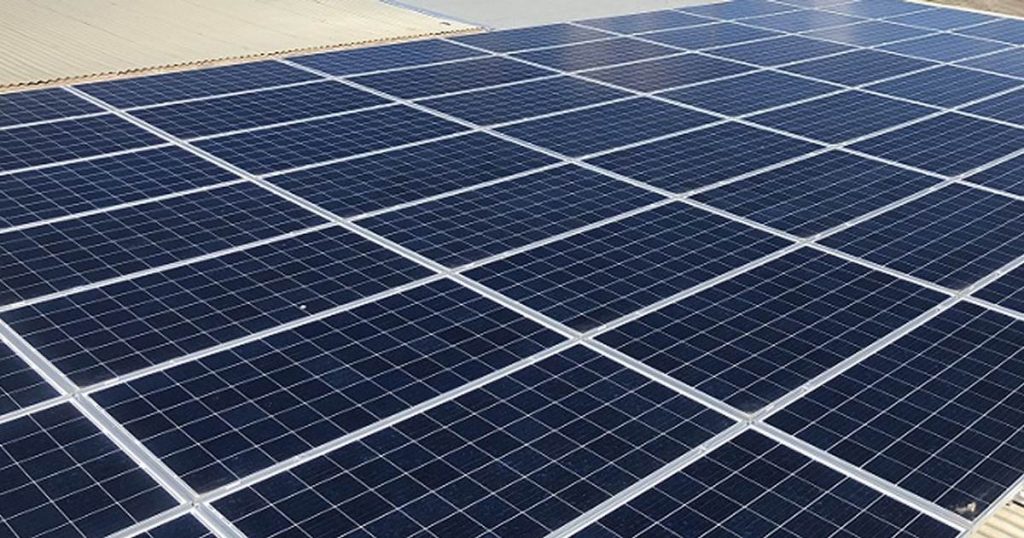
Governments worldwide are increasingly turning to solar water heating in public buildings as a cost-effective and environmentally responsible solution for their hot water needs. From schools and hospitals to government offices and correctional facilities, solar hot water systems offer a compelling way to reduce reliance on fossil fuels, lower energy costs, and demonstrate a commitment to sustainability. This widespread adoption is driven by a combination of factors, including advancements in solar thermal technology, attractive financial incentives, and a growing awareness of the environmental impact of traditional water heating methods.
Understanding Solar Water Heating Technology
At its core, a solar hot water system utilizes the sun's energy to heat water directly. The basic components of a typical system include solar collectors, a storage tank, and a circulation system. Solar collectors, usually mounted on rooftops, absorb solar radiation and transfer the heat to a working fluid, often water or a water-glycol mixture to prevent freezing. This heated fluid then circulates to a storage tank, where the heat is transferred to the water that will be used for domestic hot water needs.
There are two primary types of solar collectors commonly used in public buildings: Flat-plate collectors: These collectors consist of a dark, heat-absorbing plate covered with a transparent glazing. They are relatively simple and cost-effective, making them a popular choice for many applications. Evacuated tube collectors: These collectors use glass tubes with a vacuum between the absorber and the outer glass layer. This vacuum provides excellent insulation, reducing heat loss and allowing for higher operating temperatures, especially in colder climates. They are generally more efficient than flat-plate collectors but also more expensive.
The size and type of solar water heating system required for a public building depend on several factors, including the building's hot water demand, the local climate, and the available roof space. Properly sized systems can supply a significant portion, sometimes even all, of a building's hot water needs.
Financial Incentives and Support for Solar Water Heating
Governments often provide financial incentives to encourage the adoption of solar hot water systems in both public and private buildings. These incentives can take various forms, including: Rebates: Direct cash payments to offset the cost of purchasing and installing a solar water heating system. Tax credits: Reductions in income tax liability for individuals or businesses that invest in solar thermal energy. Grants: Funding provided by government agencies to support solar energy projects. Low-interest loans: Loans with favorable interest rates to finance the installation of solar water heating systems. Net metering:Although typically associated with solar photovoltaic (PV) systems, some jurisdictions also offer net metering or similar arrangements for solar thermal systems, allowing building owners to receive credit for excess heat generated and fed back into the grid.
These incentives can significantly reduce the upfront cost of a solar water heating system, making it a more attractive investment for public buildings. Furthermore, the long-term savings on energy bills can quickly offset the initial investment, resulting in substantial cost savings over the system's lifespan.
Enhancing Energy Efficiency and Reducing Costs
Solar water heating contributes significantly to improved energy efficiency in public buildings. By harnessing the sun's energy, these systems reduce the reliance on traditional energy sources such as electricity, natural gas, or oil, leading to lower energy bills and a smaller carbon footprint.
Implementing effective hot water demand management strategies can further enhance energy efficiency. These strategies include: Installing low-flow fixtures: Replacing traditional faucets and showerheads with low-flow models reduces water consumption without sacrificing performance. Insulating hot water pipes: Properly insulating hot water pipes minimizes heat loss as water travels from the storage tank to the point of use. Using timers and sensors: Installing timers and sensors can help regulate hot water usage based on occupancy patterns and actual demand. Regular maintenance: Routine inspections and maintenance can identify and address any issues that may be affecting system performance, such as leaks or reduced collector efficiency.
Integrating solar water heating systems with existing heating systems is another effective way to maximize energy efficiency. For example, a solar water heating system can be used to preheat water before it enters a conventional water heater, reducing the amount of energy required to bring the water to the desired temperature.
Practical DIY Applications for Smaller Public Buildings
While large-scale solar water heating installations require professional expertise, smaller public buildings, such as community centers or libraries, might consider DIY solar heater options for supplementary hot water. A simple batch solar water heater, also known as a "breadbox" heater, can be constructed using readily available materials. These systems typically consist of an insulated box with a glazed cover, inside which a black-painted water tank is placed. The sun's rays heat the water in the tank, providing a supply of warm water for limited use.
While DIY systems may not provide the same level of performance as professionally installed systems, they can be a cost-effective and educational way to explore the benefits of solar water heating.
For any type of solar water heating installation, whether professional or DIY, it's crucial to prioritize safety. Safety valves should be installed to prevent over-pressurization, and proper insulation should be used to avoid burns.
Choosing the Right Solar Water Heating System
Selecting the right solar water heating system for a public building requires careful consideration of several factors, including: Hot water demand: Determine the average daily hot water usage to ensure the system is adequately sized. Climate: Consider the local climate, including solar irradiance levels and temperature variations. Evacuated tube collectors are generally more suitable for colder climates. Roof space and orientation: Assess the available roof space and its orientation towards the sun. South-facing roofs are ideal for maximizing solar energy capture. Budget: Establish a budget that includes the cost of equipment, installation, and ongoing maintenance. Available incentives:Research and take advantage of any available rebates, tax credits, or grants to reduce the overall cost.
Comparing solar vs. electric or gas heating options is essential to determine the most cost-effective and environmentally friendly solution. While the initial cost of a solar water heating system may be higher than that of a conventional system, the long-term savings on energy bills and the environmental benefits make it a compelling choice.
Seasonal Considerations and Cold Climate Performance
Solar water heating systems can perform effectively in a variety of climates, including cold climates. However, special considerations are necessary to ensure optimal performance and prevent freezing.
Freeze protection: Use a water-glycol mixture as the working fluid to prevent freezing in the solar collectors. Insulation: Properly insulate all pipes and storage tanks to minimize heat loss. Drain-back systems: Consider using a drain-back system, which automatically drains the solar collectors when the temperature drops below a certain level, preventing freezing. Regular maintenance: Regularly inspect the system for any signs of damage or wear, and address any issues promptly.
Even with these precautions, the performance of a solar water heating system may be reduced during the winter months due to lower solar irradiance levels and shorter days. However, the system can still provide a significant portion of a building's hot water needs, reducing reliance on conventional energy sources.
In conclusion, governments are strategically using solar water heating in public buildings to achieve significant environmental and economic benefits. By embracing this green home technology, they reduce their carbon footprint, lower energy costs, and promote a more sustainable future. The combination of technological advancements, financial incentives, and a growing awareness of the importance of renewable energy makes solar water heating a compelling solution for public buildings of all sizes.