
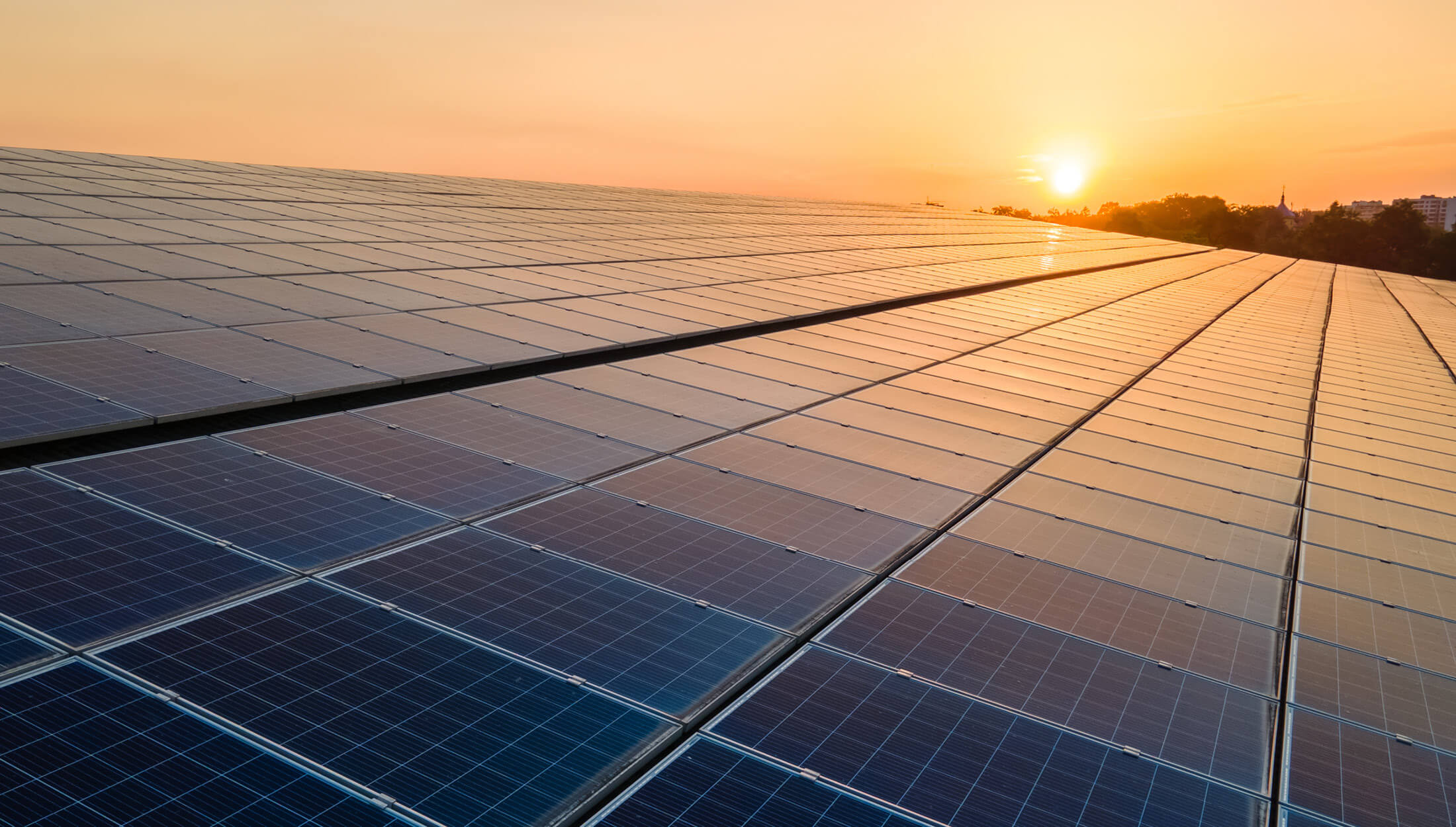
Solar water heating is revolutionizing how we approach energy consumption, offering a sustainable alternative to traditional methods. By harnessing the sun's energy, homeowners can significantly reduce their reliance on fossil fuels and lower their carbon footprint. This shift not only benefits the environment but also translates to substantial savings on energy bills, making solar hot water systems a smart investment for the future.
Understanding Solar Water Heating Technology
Solar water heating systems, also known as solar thermal systems, are designed to capture the sun's energy and use it to heat water for domestic use. These systems typically consist of solar collectors, a storage tank, and a circulation system. The collectors, usually mounted on the roof, absorb sunlight and transfer the heat to a working fluid, typically water or a water-glycol mixture. This heated fluid then circulates to the storage tank, where it heats the water that will be used for showers, washing machines, and other household needs.
There are primarily two types of solar thermal collectors: flat-plate collectors and evacuated tube collectors.
Flat-plate collectors are the more common and affordable option. They consist of a dark-colored absorber plate, typically made of copper or aluminum, covered with a glass or plastic glazing. The absorber plate is enclosed in an insulated box to minimize heat loss. Flat-plate collectors are effective in a wide range of climates and are suitable for most residential applications.
Evacuated tube collectors are more efficient, especially in colder climates or areas with less sunlight. They consist of a series of glass tubes, each containing a vacuum-sealed absorber plate. The vacuum insulation minimizes heat loss, allowing the collectors to operate more efficiently at higher temperatures. While more expensive than flat-plate collectors, evacuated tube collectors can provide a higher return on investment in certain regions.
The Financial Benefits of Solar Water Heating
Investing in a solar heating system for homes offers significant long-term financial benefits. The initial cost can be offset by various rebates, tax credits, and installation incentives offered by federal, state, and local governments. These incentives are designed to encourage the adoption of renewable energy sources and make solar water heating more accessible to homeowners.
Moreover, solar hot water systems significantly reduce electricity costs. By using the sun's energy to heat water, homeowners can decrease their reliance on electric or gas water heaters, leading to substantial savings on monthly utility bills. Over the lifespan of the system, these savings can easily outweigh the initial investment, making solar water heating a cost-effective solution.
To illustrate the potential savings, consider this example: A typical household spends around \$400-\$600 annually on water heating. A well-designed solar water heating system can reduce this cost by 50-80%, translating to annual savings of \$200-\$480. Over a 20-year period, these savings can accumulate to \$4,000-\$9,600, excluding any potential increases in energy prices.
Enhancing Energy Efficiency with Solar Water Heating
Solar water heating contributes to enhanced energy efficiency in several ways. Firstly, it reduces the overall demand for electricity, lessening the strain on power grids and decreasing the need for fossil fuel-based power plants. Secondly, it promotes hot water demand management by encouraging homeowners to use hot water more consciously.
Integrating solar hot water systems with existing heating systems, such as electric or gas water heaters, further enhances energy efficiency. In many cases, solar water heaters are used as a preheating system, warming the water before it enters the conventional water heater. This reduces the amount of energy required by the conventional heater to reach the desired temperature, resulting in additional energy savings.
Practical DIY Solar Heater Projects
For homeowners looking for a more hands-on approach, building a small-scale DIY solar heater can be a rewarding project. There are various DIY designs available online, ranging from simple batch heaters to more complex thermosiphon systems. These projects typically involve using readily available materials, such as recycled water tanks, copper pipes, and glass or plastic sheets.
While DIY solar heaters may not be as efficient as professionally installed systems, they can still provide a significant amount of hot water for specific purposes, such as heating a swimming pool or providing hot water for an outdoor shower. Additionally, DIY projects offer a great opportunity to learn about solar energy technology and develop valuable skills.
However, safety should always be a priority when working on DIY solar heater projects. It's important to follow safety guidelines, use appropriate tools and equipment, and consult with experienced professionals if needed.
Choosing the Right Solar Water Heating System
Selecting the right solar water heating system depends on various factors, including climate, household size, hot water demand, and budget. Before making a decision, it's essential to assess your specific needs and compare different systems based on their performance, efficiency, and cost.
Consider the following factors when choosing a solar water heating system: Climate:In colder climates, evacuated tube collectors may be a better choice due to their superior efficiency in low-sunlight conditions. In warmer climates, flat-plate collectors may be sufficient.
Household size: Larger households typically require larger storage tanks and more collectors to meet their hot water demand.
Hot water demand: Evaluate your average daily hot water usage to determine the appropriate system size.
Budget: Compare the costs of different systems, including installation, maintenance, and potential rebates or incentives.
It's also crucial to compare solar water heating to other options like electric or gas heating. While electric water heaters have a lower upfront cost, they are more expensive to operate in the long run. Gas water heaters are more efficient than electric heaters but still rely on fossil fuels. Solar water heating offers the best combination of cost-effectiveness and environmental sustainability.
When selecting an installer, look for experienced professionals with a proven track record. Check their credentials, read customer reviews, and ask for references. A reputable installer will be able to assess your specific needs, recommend the appropriate system, and ensure a proper installation.
Seasonal and Safety Tips for Solar Water Heating
Proper maintenance is essential to ensure the optimal performance and longevity of your solar water heating system. Regular inspections can help identify potential issues, such as leaks, corrosion, or damaged components.
In cold climates, freeze protection is crucial. Solar water heating systems can be vulnerable to freezing temperatures, which can damage the collectors and pipes. To prevent freezing, use a water-glycol mixture as the working fluid and ensure that the system is properly insulated.
Safety valves are an important component of solar water heating systems. These valves are designed to release excess pressure and prevent the system from overheating. It's important to check the safety valves regularly to ensure that they are functioning properly.
Here's a seasonal checklist to help you maintain your solar water heating system: Spring:Inspect the collectors for any damage and clean them if necessary. Check the storage tank for leaks and corrosion.
Summer: Monitor the system's performance and adjust the settings if needed. Ensure that the safety valves are functioning properly.
Fall: Prepare the system for winter by checking the freeze protection measures and insulating any exposed pipes.
Winter: Monitor the system's performance and take steps to prevent freezing, such as circulating the working fluid during extremely cold periods.
By following these seasonal and safety tips, you can ensure that your solar water heating system operates efficiently and safely for many years to come.
In conclusion, adopting solar water heating represents a significant shift towards sustainable and eco-friendly energy solutions. From understanding the core technology to exploring DIY projects and navigating system selection, homeowners can actively participate in reducing their carbon footprint and achieving long-term savings. By embracing this green home technology, we can collectively move towards a more sustainable future.