
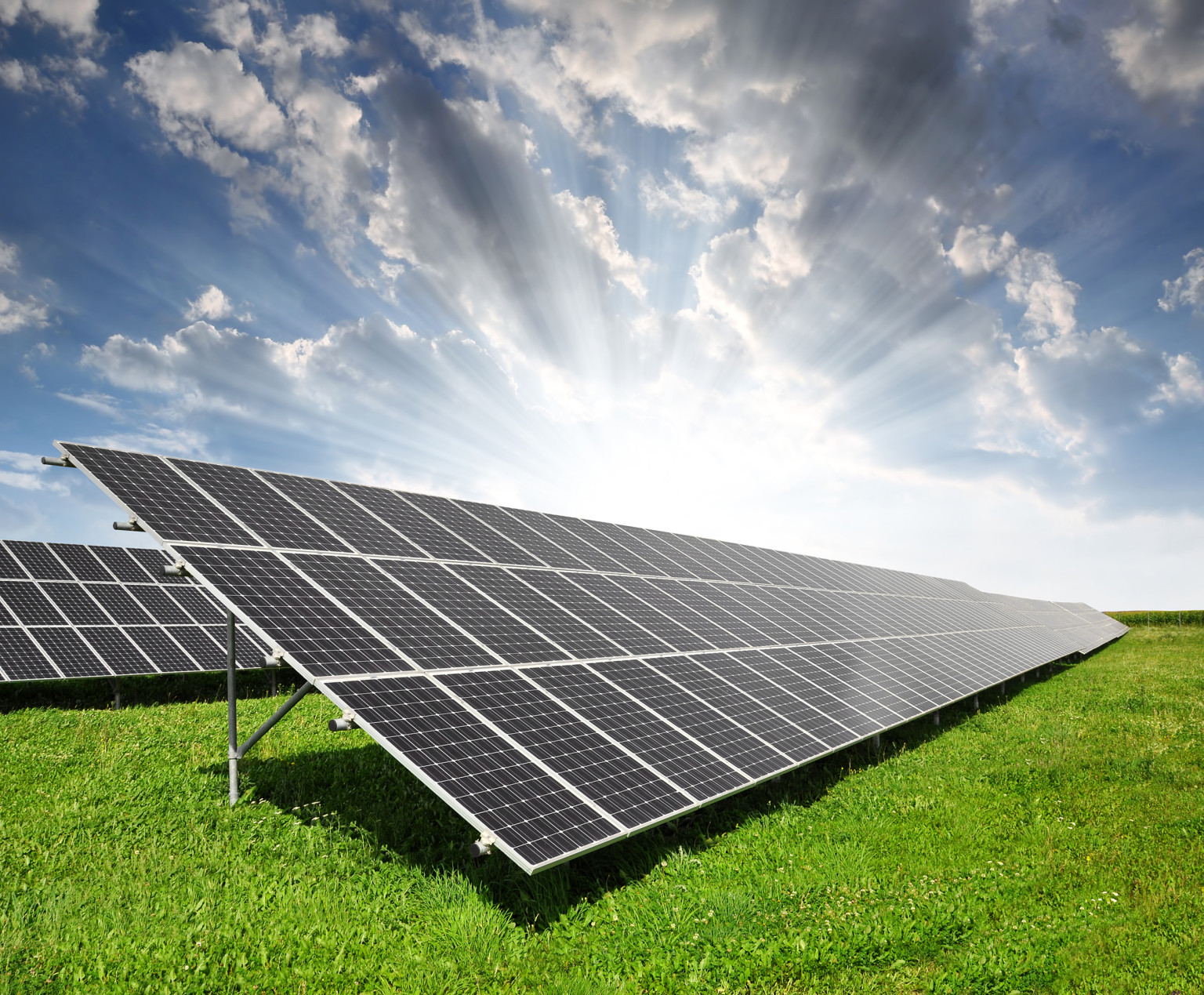
Solar water heating systems are transforming how homeowners approach energy independence, offering a practical way to tap into the sun’s power for daily hot water needs. Beyond the immediate environmental benefits, investing in solar hot water systems can significantly bolster a household’s energy security by reducing reliance on traditional energy sources and buffering against fluctuating fuel prices. Let's explore how this green home technology is making a splash.
Understanding Solar Water Heating Technology
At its core, a solar water heating system uses solar thermal collectors to capture the sun's energy. These collectors, typically mounted on a roof, absorb sunlight and transfer the heat to a fluid, usually water or a water-glycol mixture. This heated fluid then circulates through a heat exchanger, warming the water stored in a tank. There are two primary types of solar water heating systems: Active Systems:These systems use pumps and controls to circulate the heat-transfer fluid. They are more efficient and suitable for colder climates. Direct active systems heat potable water directly in the collector, while indirect active systems use a heat-transfer fluid to prevent freezing.
Passive Systems: These systems rely on natural convection to circulate the water. They are generally less expensive but less efficient than active systems. A common passive system is the thermosiphon system, where the storage tank is located above the collector, allowing hot water to naturally rise into the tank. Another example is an integral collector storage (ICS) system, where water is heated directly in the collector and stored there until needed.
Understanding the components of a solar water heating system is crucial. These include the thermal collectors, which can be flat-plate collectors (cost-effective and durable) or evacuated tube collectors (more efficient, especially in colder climates), the storage tank (insulated to minimize heat loss), pumps and controls (for active systems), and backup heating elements (for periods of low solar radiation).
Financial Incentives and Long-Term Savings
One of the most compelling arguments for adopting solar heating for homes is the potential for substantial long-term savings. While the initial investment can seem daunting, numerous financial incentives are available to help offset the costs.
Federal Tax Credits: Many countries offer tax credits for installing renewable energy systems, including solar water heaters. These credits can significantly reduce the upfront cost.
State and Local Rebates: In addition to federal incentives, many states and local municipalities offer rebates and grants for installing solar hot water systems. These programs vary widely, so it’s essential to research what's available in your specific location.
Installation Incentives: Some utility companies offer incentives to encourage customers to switch to renewable energy sources. These incentives may include reduced installation costs or favorable financing options.
Beyond these direct financial incentives, the long-term savings associated with reduced energy bills can be substantial. By relying on the sun for hot water, homeowners can significantly decrease their dependence on electricity or natural gas, leading to lower monthly utility bills. Over the lifespan of the system (typically 20-30 years), these savings can far outweigh the initial investment. For example, a household that spends \$50-100 per month on water heating could potentially save hundreds or even thousands of dollars per year by switching to solar.
Maximizing Energy Efficiency with Solar Hot Water
Solar water heating systems significantly enhance water heating efficiency. By preheating water before it enters a traditional water heater (electric or gas), the demand on the existing system is reduced. Here are practical strategies for optimizing energy efficiency: Hot Water Demand Management:Simple changes in behavior can make a big difference. Taking shorter showers, fixing leaky faucets, and using water-efficient appliances can significantly reduce hot water consumption.
Insulation: Proper insulation is critical for minimizing heat loss. Insulating the storage tank and hot water pipes can prevent heat from escaping, ensuring that the water stays hot for longer periods.
Integration with Existing Systems: Solar water heating systems can be seamlessly integrated with existing water heaters. The solar system preheats the water, and the existing water heater kicks in only when additional heating is needed. This hybrid approach maximizes efficiency and ensures a consistent supply of hot water, even on cloudy days.
System Size and Design: Selecting the correct system size for household needs is important for overall efficiency. A system that’s too small won’t meet hot water demands, while a system that’s too large may result in wasted energy. Professional installers can conduct an energy audit to determine the ideal system size.
DIY Solar Water Heater Projects: A Practical Approach
For homeowners looking for a hands-on approach, building a small-scale DIY solar water heater can be a rewarding project. These projects are typically less expensive than professionally installed systems but require more effort and technical know-how. Here's a simplified overview: Basic Components:A DIY system typically includes a collector (made from a black-painted surface or copper pipes), an insulated box to house the collector, a storage tank (often a recycled water heater), and plumbing to connect the components.
Simple Design: A basic design involves circulating water through the collector, where it heats up, and then storing the hot water in the insulated tank. Gravity can be used for circulation (thermosiphon principle), or a small pump can be used to actively circulate the water.
Material Sourcing: Many of the materials needed for a DIY system can be sourced from local hardware stores or salvaged from discarded appliances. Repurposing materials can significantly reduce the cost of the project.
Maintenance Tips: Regular maintenance is essential for ensuring the longevity and efficiency of a DIY system. This includes cleaning the collector surface, checking for leaks, and periodically flushing the storage tank to remove sediment.
Choosing the Right Solar Water Heating System
Selecting the right solar water heating system involves considering various factors, including climate, household size, budget, and energy needs. Here’s a guide to help navigate the options: Climate Considerations:In colder climates, evacuated tube collectors are generally more efficient than flat-plate collectors. Active systems with freeze protection are also recommended to prevent damage from freezing temperatures. In warmer climates, flat-plate collectors and passive systems may be sufficient.
System Size: The size of the system should be determined based on the household's hot water consumption. A professional installer can conduct an energy audit to accurately assess these needs.
Comparing Solar vs. Electric or Gas Heating: Solar water heating offers several advantages over traditional heating methods. It reduces reliance on fossil fuels, lowers energy bills, and decreases carbon emissions. While the initial investment is higher, the long-term savings and environmental benefits make it a worthwhile investment. Electric water heaters are inexpensive to purchase but costly to operate, while gas water heaters are more efficient but rely on a non-renewable fuel source.
Installer Selection: Choosing a qualified installer is crucial for ensuring proper installation and system performance. Look for installers with certifications from reputable organizations, such as the Solar Energy Industries Association (SEIA). Obtain multiple quotes and check references before making a decision. A professional installer will also be knowledgeable about local rebates and incentives.
Seasonal Tips and Safety Measures
To ensure your solar water heating system operates efficiently and safely throughout the year, it’s essential to follow these seasonal tips and safety measures: Cold Climate Performance:In cold climates, freeze protection is essential. Active systems often use a water-glycol mixture to prevent freezing, while passive systems may require manual draining during prolonged periods of sub-freezing temperatures. Insulating pipes and collectors can also help prevent freezing.
Freeze Protection: Regularly inspect the system for any signs of damage or wear. Check the pressure relief valve to ensure it is functioning properly. If the system is not functioning correctly, contact a qualified technician for repairs.
Safety Valves: All solar water heating systems should be equipped with safety valves to prevent over-pressurization. These valves should be inspected regularly to ensure they are functioning correctly.
Proper Maintenance: Routine maintenance is essential for ensuring the longevity and efficiency of the system. This includes cleaning the collector surface, checking for leaks, and periodically flushing the storage tank to remove sediment. Follow the manufacturer's recommendations for maintenance schedules.
Solar water heating provides a reliable path towards energy independence, helping homeowners secure their access to affordable hot water while reducing their environmental impact. By choosing the right system, taking advantage of available incentives, and following proper maintenance practices, households can unlock the full potential of solar thermal energy. This not only leads to significant renewable energy savings but also contributes to a more sustainable future for all.