
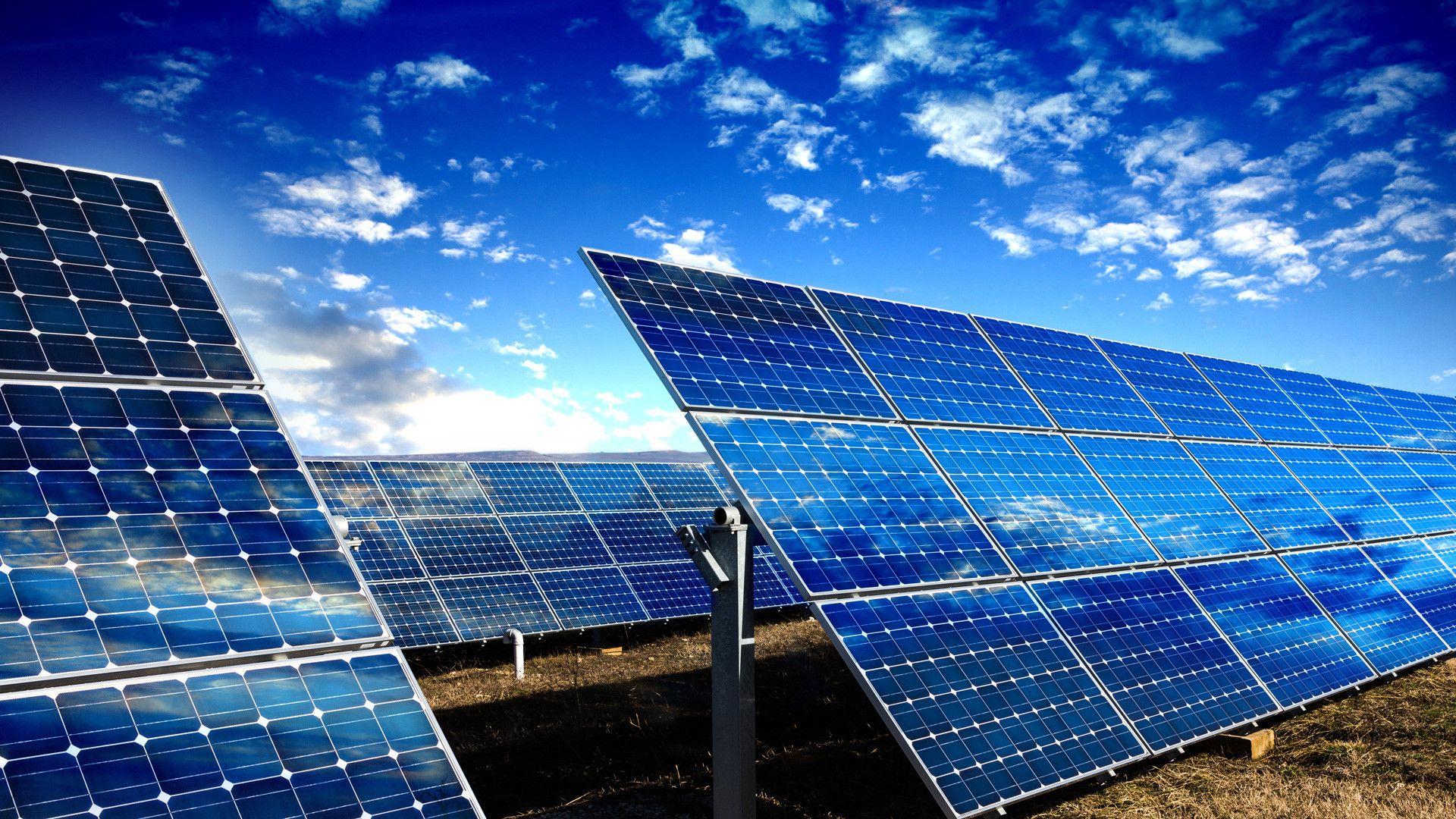
Modern architecture increasingly emphasizes sustainability and energy efficiency, and solar water heating is a key technology that perfectly aligns with these goals. Integrating solar hot water systems into contemporary building designs is not just about adding a renewable energy source; it's about creating a harmonious relationship between the building, its occupants, and the environment. This guide will explore the ins and outs of solar water heating, demonstrating how it can be seamlessly incorporated into new construction and retrofitted into existing homes, providing substantial renewable energy savings and a pathway to a greener future.
Understanding Solar Water Heating Technology
At its core, solar water heating leverages solar thermal energy to warm water for various household needs. Unlike photovoltaic (PV) systems that generate electricity, solar water heating systems directly harness the sun's heat. The primary components of a typical system include: Solar Collectors: These are usually mounted on the roof and designed to absorb sunlight. Flat plate collectors and evacuated tube collectors are the two main types. Flat plate collectors are generally more affordable and suitable for warmer climates, while evacuated tube collectors offer higher efficiency, particularly in colder regions, due to their superior insulation. Storage Tank: This insulated tank holds the heated water, ready for use. The size of the tank depends on the household's hot water demand. Circulation System: This system moves the water or heat-transfer fluid between the collectors and the storage tank. It can be either passive (thermosiphon) or active (pump-driven). Control System: Active systems have a control system that monitors the temperature and activates the pump when needed. Backup Heating System:A conventional water heater (electric or gas) serves as a backup for times when solar energy is insufficient, ensuring a consistent hot water supply.
The fundamental principle is simple: sunlight heats the fluid in the collectors, which then transfers the heat to the water in the storage tank. This reduces the reliance on conventional energy sources, leading to significant home energy savings.
Financial Incentives and Renewable Energy Savings
Investing in solar water heating can seem daunting initially, but various financial incentives can significantly reduce the upfront costs. Many countries, states, and local municipalities offer rebates, tax credits, and installation incentives to encourage the adoption of eco-friendly energy solutions.
Rebates: These are direct cash-back offers, often provided by utility companies or government agencies, for purchasing and installing certified solar hot water systems. Tax Credits: These allow you to deduct a percentage of the system's cost from your income taxes, reducing your overall tax burden. Installation Incentives: Some programs provide grants or subsidized loans to cover installation costs. Federal Tax Credits: In the United States, for instance, the federal government offers a tax credit for renewable energy systems, including solar water heaters.
Beyond the immediate financial incentives, the long-term energy savings are substantial. By reducing or eliminating your reliance on electric or gas water heating, you can significantly lower your monthly utility bills. The exact savings depend on factors like your location, water usage, and the efficiency of your system, but many homeowners experience a considerable return on investment over the lifespan of the system. Moreover, increasing water heating efficiency, reduces your carbon footprint, contributing to a more sustainable environment.
Energy Efficiency and Hot Water Demand Management
Solar water heating not only provides renewable energy but also encourages a more conscious approach to hot water usage. Optimizing your hot water demand is crucial to maximizing the benefits of your system and reducing overall energy consumption. Here are some practical tips: Install low-flow showerheads and faucets: These devices reduce the amount of water used without sacrificing water pressure, thereby minimizing hot water consumption. Repair leaky faucets: Even small leaks can waste significant amounts of water over time. Insulate hot water pipes: This prevents heat loss as the water travels from the storage tank to your faucets, improving water heating efficiency. Use cold water for laundry whenever possible: Washing clothes in cold water reduces the demand for hot water and saves energy. Take shorter showers: Being mindful of your shower time can significantly reduce your hot water usage. Optimize dishwasher usage: Run the dishwasher only when it's full and use the energy-saving setting.
Integrating solar hot water systems with existing systems is also important. For instance, combining it with a tankless water heater as a backup ensures hot water on demand while maximizing the use of solar energy. If you have a smart home system, you can even monitor and control your hot water usage remotely, further optimizing energy efficiency.
Practical DIY Solar Heater Options and Maintenance Tips
For the DIY enthusiast, building a small-scale DIY solar heater can be a rewarding project. These systems are typically less complex and less expensive than professionally installed systems, making them a great way to explore the technology and reduce your energy costs on a smaller scale. Common DIY options include: Batch Heaters (Solar Water Barrels): These are simple, passive systems that involve painting a dark-colored barrel black and placing it in a sunny location. The sun heats the water inside the barrel, which can then be used for various purposes. DIY Flat Plate Collectors: You can build your own flat plate collectors using materials like copper pipes, plywood, and glazing. These collectors are more efficient than batch heaters and can provide a more consistent supply of hot water.
While DIY systems can be cost-effective, it's crucial to prioritize safety and follow proper construction techniques. Always consult with experienced professionals and adhere to local building codes.
Regardless of whether you install a professional system or build your own, regular maintenance is essential to ensure optimal performance and longevity. Here are some essential maintenance tips: Inspect the collectors regularly: Check for leaks, cracks, or other damage. Clean the surface of the collectors to remove any dirt or debris that could block sunlight. Check the storage tank: Inspect the tank for leaks and sediment buildup. Flush the tank periodically to remove sediment and maintain water quality. Maintain the circulation system: Check the pump and control system for proper operation. Ensure that the pipes are properly insulated to prevent heat loss. Test the pressure relief valve: This valve is designed to release excess pressure in the system, preventing damage. Test it periodically to ensure it's functioning correctly. Professional inspections:Schedule annual inspections by a qualified technician to identify and address any potential problems.
Consumer Guidance: Choosing the Right System and Installer
Selecting the right solar water heating system and installer is crucial for ensuring a successful and cost-effective installation. Here are some key considerations: Assess your hot water needs: Determine your average daily hot water usage to choose a system that's appropriately sized for your household. Consider your climate: Different types of collectors perform better in different climates. Evacuated tube collectors are generally more efficient in colder regions, while flat plate collectors are suitable for warmer climates. Compare different systems: Research different brands and models to find a system that meets your needs and budget. Look for systems that are certified by reputable organizations, such as the Solar Rating & Certification Corporation (SRCC). Get multiple quotes: Contact several installers and obtain detailed quotes, including the cost of the system, installation fees, and any applicable rebates or tax credits. Check references: Ask potential installers for references and contact those references to learn about their experience with the installer. Verify credentials: Ensure that the installer is licensed and insured. Check their qualifications and experience to ensure they have the expertise to install your system properly. Read the contract carefully:Review the contract thoroughly before signing it. Make sure it includes all the details of the installation, warranty information, and payment terms.
Comparing solar vs. electric or gas heating involves considering the long-term costs and environmental impact. While solar water heating may have a higher upfront cost, the long-term savings and environmental benefits often outweigh the initial investment. Electric and gas heating, on the other hand, may be less expensive initially but result in higher monthly utility bills and a larger carbon footprint.
Seasonal and Safety Tips for Optimal Performance
Solar water heating systems can perform efficiently year-round, but seasonal adjustments and safety precautions are necessary for optimal performance and longevity.
Cold Climate Performance: In cold climates, freeze protection is essential to prevent damage to the collectors and pipes. This can be achieved through various methods, such as using antifreeze in the circulation system, draining the collectors when temperatures drop below freezing, or using a freeze-protection valve. Freeze Protection: Ensure that your system has adequate freeze protection measures in place, especially if you live in an area with cold winters. Monitor the weather forecast and take precautions when necessary. Summer Overheating: In the summer, solar water heating systems can sometimes overheat, leading to reduced efficiency or even damage. To prevent overheating, you can use a shading device to block sunlight from the collectors or install a temperature-limiting valve. Safety Valves: Ensure that your system has properly functioning safety valves to release excess pressure and prevent damage. Test these valves periodically to ensure they are working correctly. Proper Maintenance:Follow the manufacturer's maintenance recommendations to ensure your system operates safely and efficiently. Schedule regular inspections by a qualified technician to identify and address any potential problems.
By following these tips, you can ensure that your solar water heating system provides reliable and cost-effective hot water for years to come, contributing to a more sustainable and energy-efficient home. Embracing green home technology solutions like solar water heating not only benefits your wallet but also helps create a healthier planet for future generations.