
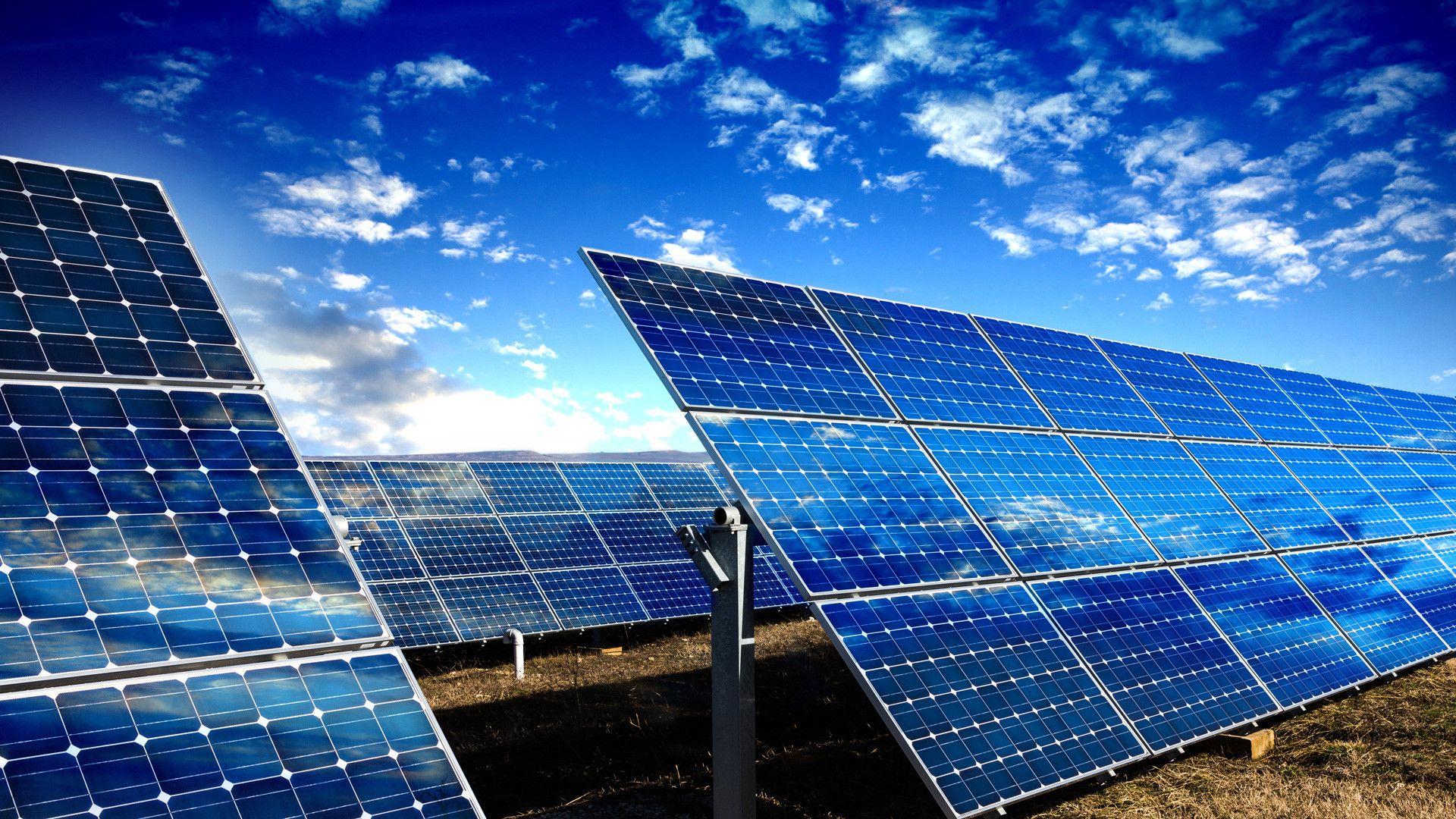
Solar water heating offers a compelling pathway to significantly reducing urban electricity demand. In densely populated areas, the collective energy consumption for heating water contributes substantially to peak loads and overall grid strain. By harnessing the sun’s energy, homeowners and businesses can displace reliance on conventional electricity sources, leading to a cascade of benefits for both individual users and the environment.
Understanding Solar Water Heating Systems
Solar water heating systems, also known as solar thermal systems, use sunlight to heat water directly or to heat a fluid that then heats water. These systems are a proven and reliable green home technology, and generally consist of two main components: solar collectors and a storage tank.
Solar Collectors: These are typically mounted on a roof or other sunny location and are designed to absorb solar radiation and convert it into heat. There are two primary types: Flat-Plate Collectors: These are the most common and affordable type. They consist of a dark, heat-absorbing surface, often made of copper or aluminum, covered by a glass or plastic glazing. The glazing reduces heat loss, similar to a miniature greenhouse. A fluid, usually water or a water-glycol mixture, circulates through tubes attached to the absorber, carrying the heat away. Evacuated-Tube Collectors:These collectors are more efficient, particularly in colder climates or when higher water temperatures are required. They consist of rows of glass tubes, each containing a vacuum-sealed absorber. The vacuum minimizes heat loss through conduction and convection, resulting in superior performance. While generally more expensive than flat-plate collectors, they can offer better long-term performance and are less susceptible to freezing.
Storage Tank: The heated water or fluid is circulated to an insulated storage tank, where it can be stored for later use. Many systems use a standard hot water tank, sometimes with an auxiliary electric or gas heating element as backup for cloudy days or periods of high demand. This ensures a constant supply of hot water, regardless of solar availability.
The Impact on Urban Electricity Demand
The impact of solar hot water systems on urban electricity demand is considerable. Heating water is a significant energy consumer in most households. In fact, depending on location and lifestyle, water heating can account for 15-25% of a home's total energy bill. By switching to solar water heating, you can drastically reduce or even eliminate this portion of your electricity consumption.
Imagine this impact scaled across an entire city. The collective reduction in electricity demand from thousands of homes and businesses using solar water heating could significantly alleviate strain on the power grid, especially during peak usage times. This, in turn, can reduce the need for new power plants and their associated environmental impact.
Financial Incentives and Long-Term Savings
One of the key drivers for adopting solar water heating is the potential for substantial cost savings. While the initial investment can be higher than traditional water heaters, the long-term savings on electricity bills can quickly offset the upfront cost.
Furthermore, various government incentives and rebates can significantly reduce the initial investment. Many states and municipalities offer tax credits, rebates, and other financial assistance programs to encourage the adoption of renewable energy sources like solar water heating. The federal government also offers a tax credit for solar energy systems, including solar water heaters. Check the Database of State Incentives for Renewables & Efficiency (DSIRE) for specific programs in your area.
The long-term savings are realized through reduced electricity bills. Once the system is installed, the primary energy source – sunlight – is free. This makes solar water heating a particularly attractive investment in regions with high electricity costs. Over the lifespan of the system, which can be 20 years or more, the savings can be significant.
Boosting Water Heating Efficiency
Besides installing a solar water heating system, there are several other ways to improve water heating efficiency and further reduce your electricity bill: Insulate your hot water tank: Adding insulation to your hot water tank can reduce heat loss, keeping the water hotter for longer. This is a simple and inexpensive way to improve efficiency, especially for older tanks. Insulate hot water pipes: Insulating the hot water pipes, particularly in unheated areas like basements or crawl spaces, can also reduce heat loss. This ensures that the water stays hotter as it travels from the tank to the faucet. Use low-flow showerheads and faucets: These fixtures reduce the amount of hot water used without sacrificing water pressure. They are an easy and cost-effective way to conserve water and energy. Repair leaky faucets and pipes: Even small leaks can waste a significant amount of water over time. Promptly repairing any leaks can save water and energy. Manage Hot Water Usage:Be mindful of when and how you use hot water. Spread out laundry loads, take shorter showers, and run the dishwasher only when it’s full.
DIY Solar Water Heater Options
For the DIY enthusiast, building a small-scale solar water heater is a viable option. There are various designs available online, ranging from simple batch heaters to more complex thermosiphon systems. These DIY projects can be a fun and educational way to learn about solar energy and reduce your reliance on conventional electricity.
A common DIY solar water heater design involves using a dark-colored container, such as a black plastic barrel or a repurposed water tank, placed in a sunny location. The container is filled with water, which is heated by the sun throughout the day. The heated water can then be used for various purposes, such as washing dishes, showering (with proper temperature regulation), or watering plants.
While DIY systems can be a cost-effective way to get started with solar water heating, it's important to exercise caution and follow safety guidelines. Proper insulation and temperature regulation are essential to prevent scalding or other hazards. Consult with experienced DIYers or professionals before undertaking a more complex project.
Choosing the Right System for Your Needs
Selecting the right solar water heating system depends on several factors, including your hot water needs, budget, climate, and roof orientation. A qualified solar installer can assess your specific needs and recommend the best system for your situation.
Here are some key considerations: Hot water demand: Estimate your average daily hot water consumption. This will help determine the appropriate size of the solar collector and storage tank. Climate: In colder climates, evacuated-tube collectors may be more efficient than flat-plate collectors. Consider the amount of sunshine your location receives throughout the year. Roof orientation and angle: A south-facing roof with a pitch angle equal to your latitude is ideal for solar collectors. However, east- or west-facing roofs can also be used, although with slightly reduced performance. Budget: Solar water heating systems range in price depending on the size, type, and complexity of the installation. Factor in the cost of the system, installation, and any necessary permits. Remember to explore available rebates and tax credits to reduce the upfront cost.
Solar Water Heating vs. Electric or Gas Heating
Solar water heating offers several advantages over traditional electric or gas water heaters: Reduced energy costs: Solar water heating significantly reduces or eliminates the need for electricity or gas to heat water, resulting in lower energy bills. Environmental benefits: Solar water heating is a renewable energy source that does not produce greenhouse gas emissions. It helps reduce your carbon footprint and contributes to a cleaner environment. Increased property value:Installing a solar water heating system can increase the value of your home, making it more attractive to potential buyers.
Electric water heaters are generally less expensive to purchase and install but have higher operating costs due to the cost of electricity. Gas water heaters are more energy-efficient than electric heaters but still rely on fossil fuels. Solar water heating offers the best of both worlds: low operating costs and environmental benefits.
Seasonal Tips and Maintenance
Maintaining your solar water heating system is essential to ensure optimal performance and longevity. Regular maintenance can also help prevent costly repairs.
Inspect the collectors: Check the collectors periodically for any signs of damage, such as cracks or leaks. Clean the glazing to remove dirt and debris, which can reduce efficiency. Check the storage tank: Inspect the storage tank for leaks or corrosion. Flush the tank annually to remove sediment buildup. Monitor the system pressure: Ensure that the system pressure is within the recommended range. Low pressure can indicate a leak or other problem. Winterize the system: In colder climates, it's essential to protect the system from freezing. This may involve draining the collectors or using a freeze protection system.
For optimal safety and performance, schedule regular maintenance checks with a qualified solar installer. They can inspect the system, identify potential problems, and perform necessary repairs.
Eco-Friendly Energy Solutions
Solar water heating is just one piece of the puzzle when it comes to creating a more sustainable and energy-efficient home. Consider other eco-friendly energy solutions, such as solar photovoltaic (PV) panels, energy-efficient appliances, and improved insulation.
Solar PV panels generate electricity from sunlight, which can be used to power your home and reduce your reliance on the grid. Energy-efficient appliances use less energy than standard appliances, saving you money and reducing your environmental impact. Proper insulation helps keep your home warmer in the winter and cooler in the summer, reducing the need for heating and cooling.
By combining solar water heating with other energy-efficient measures, you can create a truly sustainable and eco-friendly home. This not only benefits the environment but also saves you money on your energy bills and increases the value of your property. Embracing solar heating for homes is a key step toward a greener future.