
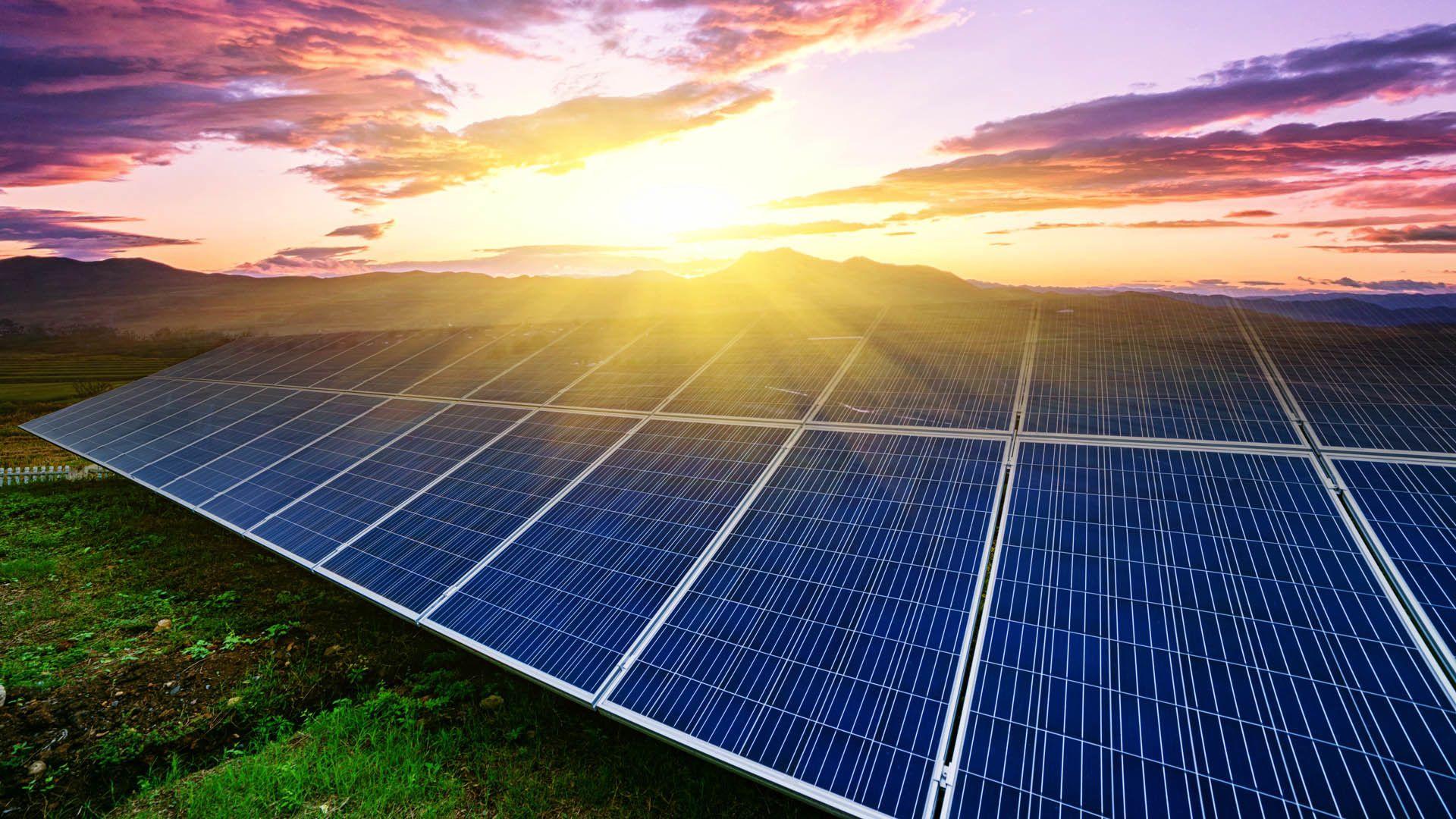
Solar water heating is a proven technology that can dramatically cut your carbon footprint and utility bills. By harnessing the sun's energy to heat water, homeowners can significantly reduce their reliance on traditional fossil fuels and contribute to a more sustainable future. It’s a practical, affordable way to take a major step towards achieving net-zero energy in your home.
Understanding Solar Water Heating Systems
Solar water heating systems, also known as solar thermal systems, are designed to capture the sun's energy and transfer it to heat water for domestic use. These systems primarily consist of solar collectors, a storage tank, and a circulating system.
Solar Collectors: These are typically mounted on the roof and are designed to absorb solar radiation. Flat-plate collectors and evacuated tube collectors are the two main types. Flat-plate collectors are generally more affordable and suitable for warmer climates, while evacuated tube collectors are more efficient, especially in colder regions, due to their superior insulation. Storage Tank: A well-insulated storage tank holds the heated water, allowing you to use it when needed, even when the sun isn't shining. Many systems use a standard hot water tank or integrate with an existing one. Circulating System:This system moves the water or heat-transfer fluid between the collectors and the storage tank. Active systems use pumps, while passive systems rely on natural convection.
Different types of systems cater to various needs and climates. Direct systems heat potable water directly in the collectors, while indirect systems use a heat-transfer fluid (like antifreeze) to prevent freezing in cold climates. Drainback systems are another type of indirect system where the fluid drains back into a reservoir when the pump stops, preventing freezing and overheating. Batch systems, also known as Integrated Collector Storage (ICS) systems, combine the collector and storage into a single unit, often a cost-effective DIY solar heater option for warmer climates.
Financial Incentives and Long-Term Savings
The initial investment in a solar hot water system can be offset by various financial incentives, including federal tax credits, state rebates, and local utility programs. These incentives significantly reduce the upfront cost, making solar water heating a more accessible and attractive option.
The long-term savings are substantial. By reducing your reliance on electricity or natural gas for water heating, you can significantly lower your monthly utility bills. Over the lifespan of the system (typically 20-30 years), the savings can far outweigh the initial investment, resulting in a positive return on investment. For example, a typical family might save hundreds of dollars per year on their energy bills, and over two decades, those savings add up considerably.
Furthermore, increasing your home's energy efficiency can boost its property value. Homes equipped with solar water heating systems are often more attractive to environmentally conscious buyers.
Boosting Energy Efficiency and Reducing Hot Water Demand
Solar water heating dramatically improves your home's energy efficiency. Water heating accounts for a significant portion of household energy consumption, often second only to space heating and cooling. By replacing traditional water heaters with a solar thermal system, you can significantly reduce your energy consumption and lower your carbon footprint.
Effective hot water demand management is crucial for maximizing the benefits of your solar water heating system. Simple strategies include: Installing low-flow showerheads and faucets: These reduce water consumption without sacrificing water pressure. Repairing leaky faucets promptly: Even small leaks can waste a significant amount of water over time. Insulating hot water pipes: This reduces heat loss and ensures that hot water reaches your fixtures faster. Washing clothes in cold water: Most detergents are effective in cold water, and this reduces the need for hot water.
Integrating your solar water heating system with existing systems, such as a traditional gas or electric water heater, can provide backup heating during periods of low solar irradiance. This ensures a consistent supply of hot water, regardless of weather conditions.
DIY Solar Water Heating Options
For those looking for a more hands-on approach, building a small-scale DIY solar water heater can be a rewarding project. A simple batch system, using a black-painted tank inside an insulated box with a glass cover, can effectively heat water for outdoor showers or other small-scale uses.
However, it's crucial to prioritize safety and follow established guidelines when building and installing a DIY system. Consulting with experienced professionals or referring to reputable DIY resources is recommended.
Choosing the Right System and Finding a Qualified Installer
Selecting the right solar water heating system depends on several factors, including your location, climate, hot water demand, and budget. Consider the following: Climate: Colder climates require more efficient collectors and freeze protection measures. Hot Water Demand: Larger households require larger storage tanks and collector areas. Budget: Balance the upfront cost with long-term savings and available incentives. Roof Orientation and Angle: South-facing roofs with a slope between 30 and 45 degrees are ideal for solar collectors.
Comparing solar water heating with traditional electric or gas heating is essential. Solar water heating has a higher upfront cost, but offers significant long-term savings and environmental benefits. Electric water heaters are less efficient and contribute more to carbon emissions, while gas water heaters rely on fossil fuels.
Finding a qualified installer is crucial for ensuring proper system installation and performance. Look for installers with certifications from organizations like the Solar Energy Industries Association (SEIA). Obtain multiple quotes, check references, and carefully review warranties before making a decision.
Seasonal Tips and Safety Considerations
Solar water heating systems perform optimally during sunny months, but they can still provide significant energy savings during colder seasons. To maximize performance in cold climates: Use evacuated tube collectors: These are more efficient in colder temperatures. Ensure proper insulation: Insulate pipes and storage tanks to minimize heat loss. Use a heat-transfer fluid with freeze protection: This prevents the system from freezing. Clear snow from collectors: Snow can block sunlight and reduce performance.
Safety is paramount when operating and maintaining a solar water heating system. Here are some essential safety tips: Install a pressure relief valve: This prevents over-pressurization and potential damage. Regularly inspect the system: Check for leaks, corrosion, and other signs of damage. Follow manufacturer's recommendations for maintenance: This includes flushing the system and replacing any worn parts. Hire a qualified technician for repairs: Avoid attempting repairs yourself unless you have the necessary expertise.
Regular maintenance is crucial for ensuring the longevity and optimal performance of your solar water heating system. This includes inspecting the collectors, checking the circulation system, and flushing the storage tank to remove sediment buildup.
In conclusion, embracing solar heating for homes is a practical and effective strategy for achieving net-zero energy goals. By understanding how these systems work, taking advantage of financial incentives, and prioritizing energy efficiency, homeowners can significantly reduce their carbon footprint, lower their utility bills, and contribute to a more sustainable future. From choosing an appropriate solar heating system to understanding how solar water heating supports net zero energy goals, it is a significant step towards sustainable living.