
Harnessing the sun's power to heat your water is no longer just a fringe concept; it's a viable and increasingly vital step towards a sustainable future. By integrating solar water heating into your home, you actively contribute to reducing your carbon footprint and achieving broader climate goals. This guide will walk you through the ins and outs of solar water heating, providing you with the knowledge and practical steps to make informed decisions and implement this green technology effectively.
Understanding Solar Water Heating Systems
At its core, a solar water heating system uses the sun's energy to warm water for your home. Unlike solar photovoltaic (PV) panels that generate electricity, solar water heaters, also known as solar thermal collectors, directly heat water. This process is significantly more efficient, often converting up to 80% of solar energy into usable heat.
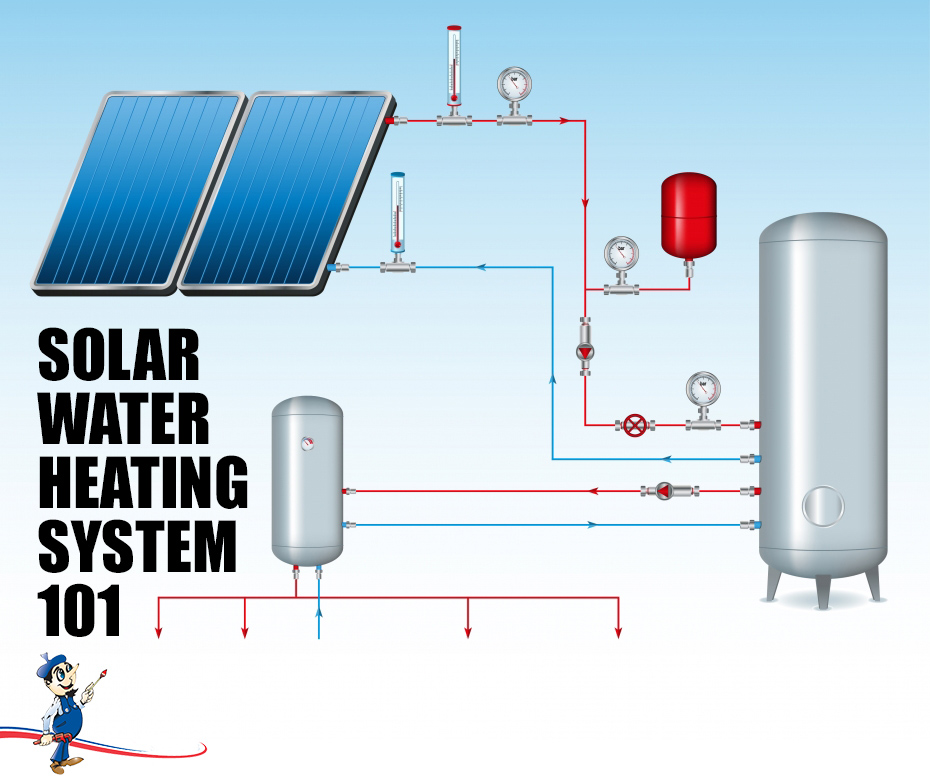
The primary components of a solar water heating system include: Solar Collectors: Typically mounted on your roof, these collectors absorb sunlight and transfer the heat to a fluid, either water or a heat-transfer fluid like glycol. There are two main types: Flat-Plate Collectors: These are the most common and cost-effective option, consisting of a dark, heat-absorbing surface covered by a transparent glazing to trap heat, similar to a mini-greenhouse.
Evacuated Tube Collectors: These are more efficient, especially in colder climates, as they use vacuum-sealed tubes to minimize heat loss. Storage Tank: This insulated tank stores the heated water until it's needed. It's usually located near your existing water heater. Circulation System: This system moves the heated fluid from the collectors to the storage tank. It can be either: Active System: Uses a pump to circulate the fluid.
Passive System (Thermosiphon): Relies on natural convection, with the collector placed below the storage tank so hot water rises naturally. Backup System: A conventional water heater (electric, gas, or propane) ensures you always have hot water, even on cloudy days or during periods of high demand.
Financial Incentives and Long-Term Renewable Energy Savings
The initial investment in a solar water heating system can be offset by significant long-term savings and various financial incentives. Exploring these options is crucial for making solar heating for homes an affordable reality.
Federal Tax Credits: Many countries offer tax credits for installing renewable energy systems, including solar water heaters. These credits can substantially reduce the upfront cost. State and Local Rebates: Many states and local municipalities offer rebates or grants to encourage the adoption of solar energy. Check with your local government and utility companies for available programs. Installation Incentives: Some utility companies offer direct incentives, such as discounted installation or financing options. Long-Term Savings: Solar water heating drastically reduces your reliance on electricity or fossil fuels for water heating, leading to substantial savings on your monthly utility bills. Over the lifespan of the system (typically 20-30 years), these savings can far exceed the initial investment.
Maximizing Energy Efficiency: Reducing Hot Water Demand
Implementing solar water heating is a fantastic start, but optimizing your water usage can further amplify your renewable energy savings and environmental impact. Efficient hot water demand management is key.
Low-Flow Fixtures: Install low-flow showerheads and faucets to reduce water consumption without sacrificing performance. Insulation: Insulate your hot water pipes to minimize heat loss as water travels from the heater to your faucets. This is a cheap and effective way to improve water heating efficiency. Efficient Appliances: When purchasing new appliances like dishwashers and washing machines, choose energy-efficient models that use less hot water. Mindful Usage: Be conscious of your hot water usage. Take shorter showers, repair leaky faucets promptly, and wash clothes in cold water whenever possible. Timers and Smart Controls:Install timers or smart controls on your recirculation pumps to operate only when needed, preventing unnecessary energy waste.
DIY Solar Heater Projects: A Practical Approach
For the hands-on homeowner, building a small-scale DIY solar water heater can be a rewarding and cost-effective way to learn about the technology and contribute to green home technology.
Batch Water Heater (Solar Batch Collector): This simple design involves placing a black-painted tank or container in an insulated box with a glass or transparent plastic cover. The sun heats the water directly within the tank. Solar Pool Heater: Extend your swimming season with a DIY solar pool heater made from black plastic tubing or recycled materials. Considerations:Remember that DIY projects might not be as efficient or durable as professionally installed systems. Thorough research, careful planning, and adherence to safety precautions are crucial. Check local building codes and regulations before starting any DIY project.
Consumer Guidance: Choosing the Right System
Selecting the right solar hot water systems depends on several factors, including your location, climate, water usage, and budget.
System Type: Determine whether an active or passive system is best suited for your needs and climate. Active systems are generally more efficient but require electricity to operate the pump. Collector Type: Choose between flat-plate and evacuated tube collectors based on your climate and efficiency requirements. Evacuated tubes are generally more expensive but perform better in colder climates. Size and Capacity: Calculate your hot water demand to determine the appropriate size and capacity of the system. A professional installer can help you with this assessment. Professional Installation vs. DIY: Decide whether to hire a professional installer or tackle the installation yourself. Professional installation ensures proper system design, compliance with building codes, and optimal performance. Comparing Options: Get quotes from multiple installers and compare system options, warranties, and energy savings estimates. Solar vs. Electric or Gas: Understand the pros and cons of solar water heating compared to traditional electric or gas water heaters. While solar has a higher upfront cost, it offers long-term savings and environmental benefits.
Seasonal Tips and Safety Measures
Solar water heating systems require seasonal adjustments and regular maintenance to ensure optimal performance and safety.
Cold Climate Performance: In colder climates, freeze protection is essential. Glycol-based systems are more resistant to freezing. Insulate pipes and collectors to minimize heat loss and prevent damage. Summer Overheating: In hot climates, the system may overheat during periods of low demand. Consider installing a temperature relief valve or a shading device to prevent damage. Maintenance Schedule: Schedule regular maintenance checks to inspect the collectors, storage tank, and circulation system. Clean the collectors periodically to remove dirt and debris. Safety Valves: Ensure that safety valves are functioning properly to prevent excessive pressure buildup in the system. Professional Inspections:Have your system professionally inspected every few years to identify and address any potential problems.
By understanding the technology, maximizing energy efficiency, exploring financial incentives, and following seasonal maintenance tips, you can effectively align solar water heating with your climate goals, reduce your environmental impact, and save money on your energy bills. Solar water heating is a practical and sustainable solution for achieving affordable hot water and contributing to a greener future.