
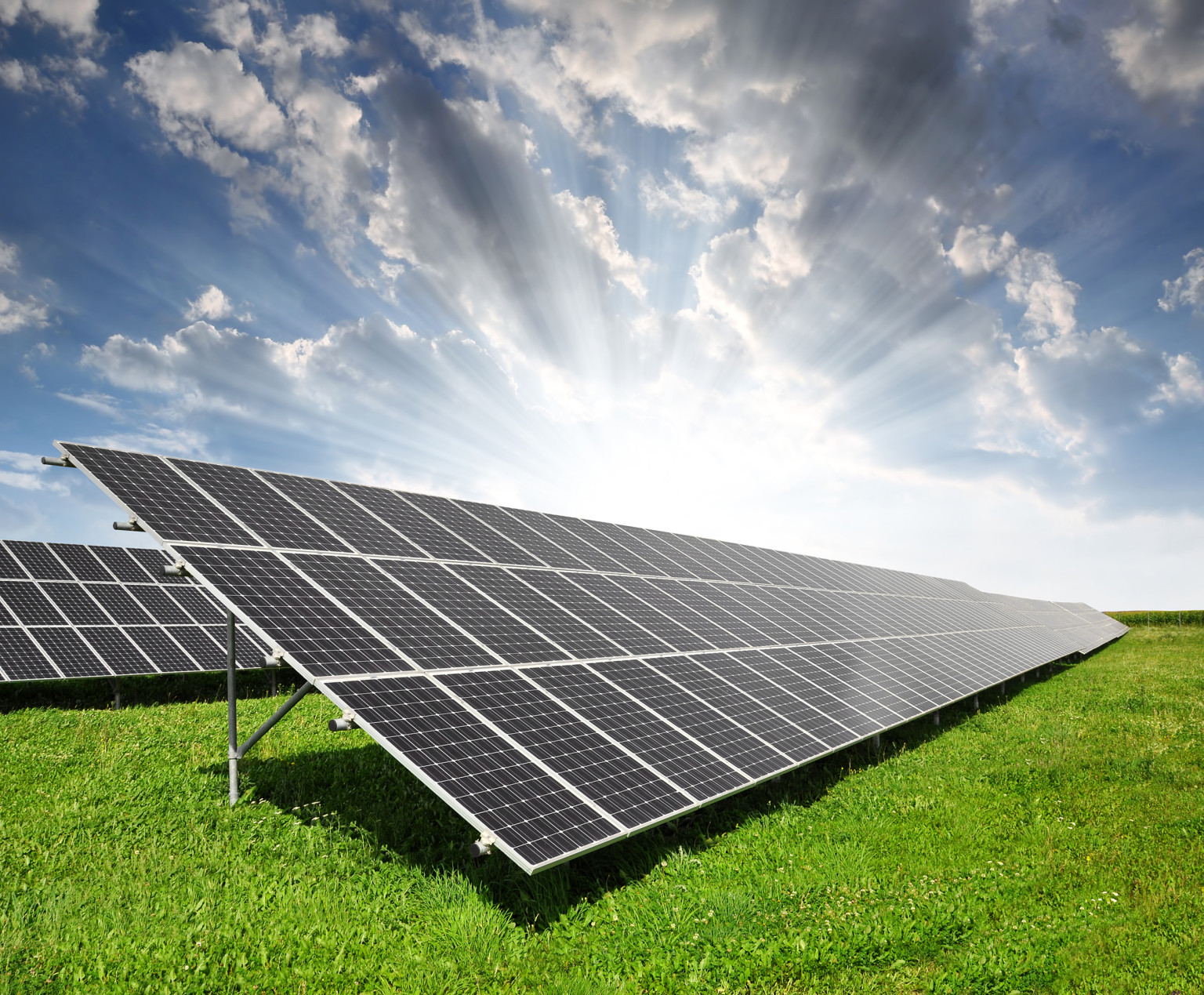
Solar water heating offers a fantastic way to reduce your carbon footprint and lower your energy bills, but many homeowners in colder regions wonder if it’s a viable option. The good news is that with the right planning and technology, solar hot water systems can thrive even when temperatures plummet. This guide will walk you through the best practices for harnessing the sun's energy to heat your water, regardless of your climate.
Understanding Solar Water Heating Technology
Solar water heating systems use solar thermal collectors to absorb sunlight and convert it into heat. This heat is then transferred to water, which can be stored in a tank for later use. There are two primary types of systems: active and passive.
Active Systems: These systems use pumps and controls to circulate water or a heat-transfer fluid through the collectors and into the storage tank. Active systems are more efficient and suitable for colder climates because they offer better control over temperature and freeze protection. Passive Systems: These rely on natural convection to circulate water. They are simpler and less expensive, but generally less efficient and more susceptible to freezing in cold environments.
Within active systems, you'll find two main categories: Direct Circulation Systems: These pump potable water directly through the collectors. While simple, they are not ideal for freezing climates unless freeze protection measures are implemented. Indirect Circulation Systems: These use a heat-transfer fluid (typically a glycol solution) to circulate through the collectors. The heated fluid then transfers its heat to the potable water in the storage tank via a heat exchanger. This is the preferred choice for cold climates as the glycol solution has a much lower freezing point than water.
Choosing the Right Solar Collector for Cold Climates
The type of solar collector you choose is critical for performance in cold climates. Here are the most common options: Flat Plate Collectors:These are the most common and affordable type. They consist of a dark, flat absorber plate, covered with glass or plastic, and insulated on the back. While effective, their performance can degrade in very cold temperatures due to heat loss. However, newer designs with selective coatings and improved insulation enhance their cold-weather performance.
Evacuated Tube Collectors: These collectors are more efficient than flat plate collectors, particularly in colder climates and cloudy conditions. They consist of individual glass tubes containing a vacuum. The vacuum minimizes heat loss, making them highly effective at capturing solar energy even in low ambient temperatures. While more expensive upfront, evacuated tube collectors often provide superior performance and a longer lifespan in cold climates.
Concentrating Collectors: These use mirrors or lenses to focus sunlight onto a smaller area, increasing the intensity of the solar energy. While potentially very efficient, they are generally more complex and less suitable for residential solar water heating in most cold climates due to their sensitivity to cloud cover and the need for tracking systems.
Freeze Protection Strategies for Solar Hot Water Systems
Freeze protection is paramount in cold climates to prevent damage to your solar water heating system. Here are several strategies: Glycol Antifreeze:As mentioned earlier, using a glycol-based heat-transfer fluid in an indirect circulation system is the most reliable way to prevent freezing. The glycol circulates through the collectors, and a heat exchanger transfers the heat to your potable water.
Drainback Systems: These active systems automatically drain the water from the collectors and exposed piping back into a tank when the temperature drops below a certain threshold. This prevents freezing but requires a specific system design to ensure proper drainage.
Recirculation: This involves circulating warm water from the storage tank through the collectors when the temperature near the collectors approaches freezing. This method consumes energy but can prevent freezing in milder cold climates.
Insulation: Proper insulation of all pipes and components is crucial to minimize heat loss and prevent freezing. Use high-quality, weather-resistant insulation materials designed for outdoor use. Pay special attention to areas exposed to wind and direct sunlight, as these are more susceptible to temperature fluctuations.
Optimizing Your Solar Water Heating System for Energy Efficiency
Beyond freeze protection, several factors contribute to the overall energy efficiency of your solar water heating system: Proper Sizing:The size of your system should match your hot water demand. An oversized system will be more expensive and may experience stagnation (overheating) in the summer. An undersized system won't meet your hot water needs, forcing you to rely on backup heating.
Tank Insulation: A well-insulated storage tank minimizes heat loss and ensures hot water is available when you need it. Consider a tank with a high R-value insulation.
System Orientation and Tilt: Maximize solar gain by orienting your collectors towards the south (in the Northern Hemisphere) and tilting them at an angle appropriate for your latitude. For optimal year-round performance, the tilt angle should be roughly equal to your latitude. Adjustments may be necessary for maximizing winter performance in colder climates.
Hot Water Demand Management: Reduce your hot water consumption by installing low-flow showerheads and faucets, fixing leaks, and washing clothes in cold water when possible.
Integration with Existing Systems: Integrate your solar water heater with your existing water heating system. A solar storage tank can preheat water before it enters your conventional water heater, reducing the amount of energy needed to bring it to the desired temperature. Consider using a smart thermostat to optimize the use of solar energy and minimize reliance on backup heating.
Financial Incentives and Rebates for Solar Water Heating
One of the key advantages of switching to solar water heating is the potential for long-term savings. To further reduce the initial investment, explore available financial incentives and rebates: Federal Tax Credits:Many countries offer federal tax credits for solar water heating systems. These credits can significantly reduce the upfront cost of installation.
State and Local Rebates: Many state and local governments offer rebates and incentives for renewable energy installations. These programs can further reduce the cost of your system and make solar water heating even more affordable.
Utility Company Incentives: Some utility companies offer rebates or other incentives to encourage customers to adopt renewable energy technologies. Check with your local utility to see what programs are available.
Grant Programs: Certain grant programs might be available for renewable energy projects, particularly for low-income households or specific community initiatives.
Make sure to thoroughly research available incentives and rebates in your area before installing your system. These programs can significantly lower the initial cost and make solar water heating a more attractive investment.
DIY Solar Water Heating: A Practical Option?
While professional installation is generally recommended for larger, more complex solar water heating systems, small-scale DIY solar heater projects can be a fun and cost-effective way to supplement your hot water needs.
Batch Heaters: Also known as "breadbox" heaters, these are simple, passive systems that consist of a black tank or container enclosed in an insulated box with a glazed cover. They are easy to build and can provide a limited amount of hot water for uses like preheating water for a shower or washing dishes.
Thermosiphon Systems: These systems rely on natural convection to circulate water between a collector and a storage tank. They are slightly more complex to build than batch heaters but can provide a greater amount of hot water.
While DIY systems can save money on installation costs, it's important to consider the limitations. They are typically less efficient than professionally installed systems and may not be suitable for meeting all of your hot water needs. Also, ensure you comply with all local building codes and safety regulations before undertaking any DIY project.
Choosing the Right Installer for Your Solar Water Heating System
Selecting a qualified and experienced installer is crucial for ensuring the proper installation and long-term performance of your solar water heating system. Here are some tips for choosing the right installer: Check Credentials and Experience:Look for installers with certifications from reputable organizations, such as the Solar Rating & Certification Corporation (SRCC). Verify their experience installing solar water heating systems in cold climates.
Get Multiple Quotes: Obtain quotes from several installers to compare prices and services. Don't just focus on the lowest price; consider the quality of the equipment, the installer's experience, and the warranty offered.
Read Reviews and Testimonials: Check online reviews and testimonials to see what other customers have to say about the installer's work.
Ask for References: Request references from previous customers and contact them to inquire about their experience with the installer.
Verify Licensing and Insurance: Ensure the installer is properly licensed and insured to protect yourself from liability in case of accidents or damage during the installation process.
Seasonal Maintenance and Safety Tips
Regular maintenance is essential for ensuring the long-term performance and safety of your solar water heating system. Here are some seasonal tips: Spring:Inspect the system for leaks, damage, or corrosion. Clean the collectors to remove any dirt or debris that may be blocking sunlight. Check the pressure relief valve to ensure it's functioning properly.
Summer: Monitor the system for signs of overheating, such as excessive steam or a high-pressure reading. If you have a drainback system, ensure it's draining properly when the system shuts down.
Fall: Prepare the system for winter by inspecting the insulation and ensuring all freeze protection measures are in place. If you have a glycol-based system, check the glycol concentration to ensure it's adequate for the expected temperatures.
Winter: Monitor the system for signs of freezing, such as ice buildup or reduced performance. If you suspect freezing, contact a qualified technician immediately.
Safety First: Always disconnect the power to the system before performing any maintenance. Wear appropriate safety gear, such as gloves and eye protection. If you are not comfortable performing maintenance yourself, hire a qualified technician.
Conclusion: Solar Hot Water – A Viable Option for Cold Climates
Solar water heating in cold climates is not only feasible but also a smart and sustainable choice. By understanding the technology, choosing the right equipment, implementing effective freeze protection strategies, and performing regular maintenance, you can harness the power of the sun to heat your water and reduce your energy bills, even in the coldest of environments. With careful planning and professional guidance, you can enjoy the benefits of renewable energy savings and contribute to a greener future. Embrace eco-friendly energy solutions and explore how solar heating for homes can work for you.