
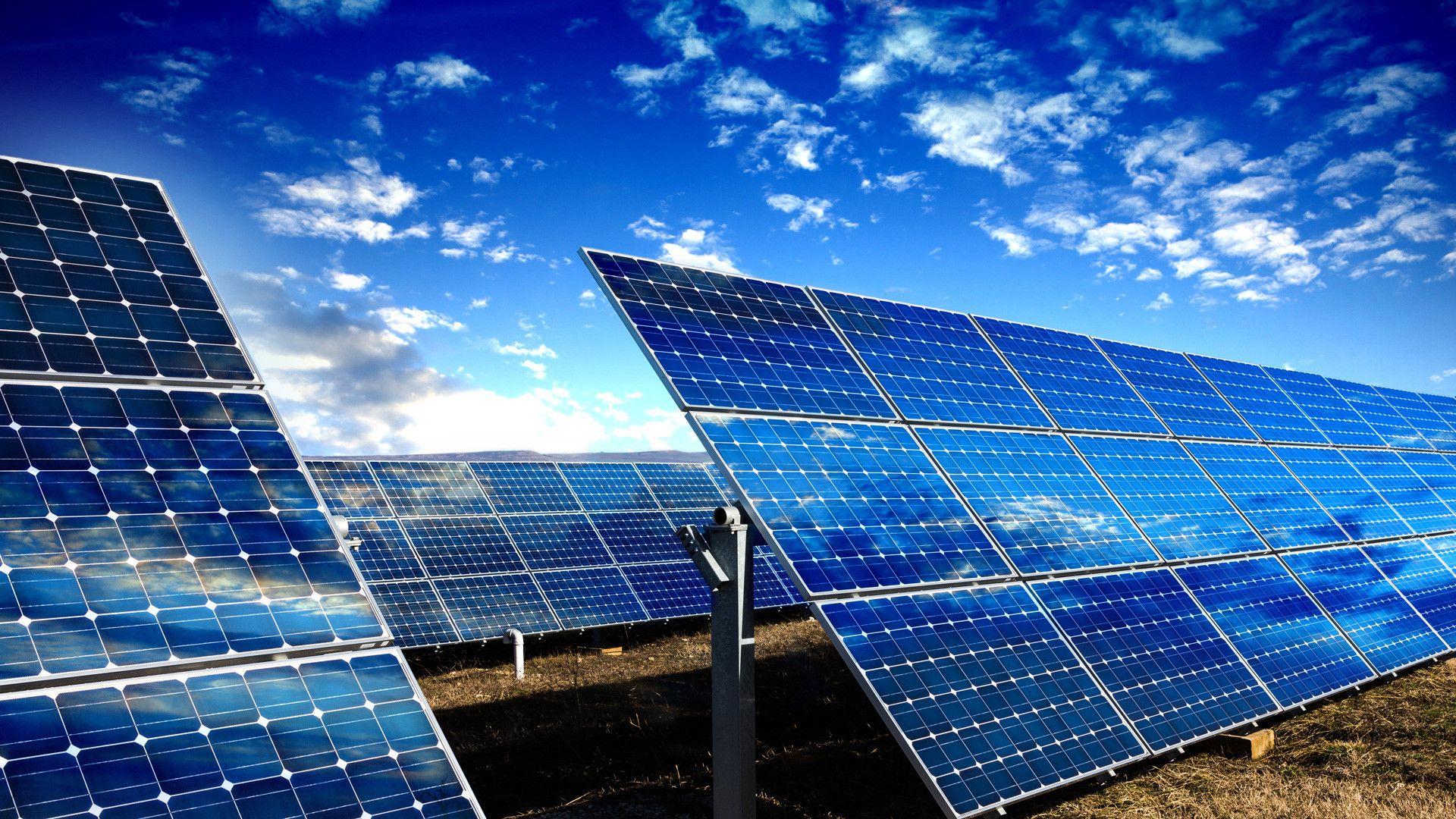
Harnessing the sun's energy to heat water is an increasingly popular and effective strategy for homeowners aiming to minimize their environmental impact and achieve net-zero energy consumption. Solar water heating systems offer a pathway to reduce reliance on fossil fuels, lower utility bills, and contribute to a more sustainable future. This guide explores how these systems work, their benefits, and how they fit into the broader context of net-zero home design.
Understanding Solar Water Heating Systems
Solar water heating, also known as solar thermal heating, utilizes solar panels called collectors to absorb sunlight and convert it into heat. This heat is then transferred to water, which can be stored for later use in showers, sinks, washing machines, and even radiant floor heating systems. Unlike photovoltaic (PV) panels that generate electricity, solar water heaters directly capture the sun's thermal energy.
System Components
A typical solar water heating system consists of several key components: Solar Collectors: These are usually flat-plate collectors or evacuated tube collectors. Flat-plate collectors are more common and affordable, consisting of a dark, heat-absorbing surface covered with a glass or plastic glazing. Evacuated tube collectors are more efficient, especially in colder climates, as they have a vacuum between the glass tubes, reducing heat loss. Storage Tank: The heated water is stored in an insulated tank, similar to a conventional water heater. The size of the tank depends on the household's hot water demand and the size of the solar collector array. Heat Transfer Fluid: In some systems, a heat transfer fluid (usually a glycol solution to prevent freezing) circulates through the collectors and transfers heat to the water in the storage tank via a heat exchanger. Other systems directly heat the potable water. Circulation Pump: A pump is often used to circulate the heat transfer fluid between the collectors and the storage tank. Controller: A controller monitors the temperature of the collector and the storage tank, activating the pump when the collector is hotter than the tank to maximize heat transfer. Backup System: Most solar water heating systems include a backup system, such as a traditional electric or gas water heater, to provide hot water when solar energy is insufficient, especially during cloudy days or periods of high demand.
The Financial Advantages of Solar Water Heating
Investing in a solar water heating system can lead to significant long-term cost savings. While the initial investment can be higher than a conventional water heater, the operational costs are much lower due to the free energy from the sun.
Rebates, Tax Credits, and Incentives
Many government and utility programs offer rebates, tax credits, and other incentives to encourage the adoption of solar water heating. These incentives can significantly reduce the upfront cost of the system. Be sure to check the Database of State Incentives for Renewables & Efficiency (DSIRE) for programs available in your area. State and federal tax credits can offset a substantial portion of the purchase and installation costs. Local utility companies may also offer rebates to incentivize customers to switch to renewable heating options.
Long-Term Savings on Utility Bills
Solar water heating can significantly reduce your electricity or gas bills. The amount of savings depends on factors such as your location, climate, hot water usage, and the efficiency of your system. Over the lifespan of the system (typically 20-30 years), the savings can easily outweigh the initial investment. By reducing your reliance on grid electricity or natural gas, you're also hedging against future energy price increases.
Maximizing Energy Efficiency with Solar Hot Water Systems
Beyond the financial benefits, solar water heating plays a crucial role in enhancing overall energy efficiency within a home.
Reducing Electricity Costs
Water heating is a significant energy consumer in most households, often accounting for a substantial portion of the monthly utility bill. By replacing or supplementing a conventional water heater with a solar system, you can drastically reduce your electricity or gas consumption.
Hot Water Demand Management
To further improve energy efficiency, it's essential to manage your hot water demand. This includes fixing leaky faucets, installing low-flow showerheads and aerators, and washing clothes in cold water whenever possible. Consider also the use of a drain water heat recovery system, which captures heat from outgoing wastewater to preheat incoming cold water, further reducing the energy required for water heating.
Integration with Existing Systems
Solar water heating can be seamlessly integrated with existing heating systems, such as radiant floor heating or domestic hot water systems. A properly designed system can provide a significant portion of your hot water needs year-round, with the backup system kicking in only when necessary.
DIY Solar Heater Options for the Budget-Conscious
For homeowners looking for a more affordable entry point into solar water heating, DIY options are available. These range from simple batch heaters to more complex systems that can be built with readily available materials.
Small-Scale Solar Water Heaters
A simple DIY solar water heater can be constructed using a dark-colored container (such as a repurposed water tank or a coiled black hose) placed in a sunny location. The sun heats the water inside the container, which can then be used for outdoor showers, garden irrigation, or other non-potable applications.
Maintenance Tips and Insulation Tricks
To ensure optimal performance of a DIY or professionally installed solar water heater, regular maintenance is crucial. This includes inspecting the collectors for dirt and debris, checking the insulation on pipes and tanks, and periodically flushing the system to remove sediment buildup. Good insulation is essential to minimize heat loss, especially in colder climates.
Consumer Guidance: Choosing the Right System
Selecting the right solar water heating system requires careful consideration of factors such as your location, climate, hot water demand, and budget.
Comparing Solar vs. Electric or Gas Heating
Solar water heating offers several advantages over traditional electric or gas water heaters, including lower operating costs, reduced carbon footprint, and increased energy independence. However, it's essential to compare the upfront costs, installation requirements, and long-term maintenance needs.
Installer Selection
Choosing a qualified and experienced installer is crucial for ensuring the proper installation and performance of your solar water heating system. Look for installers with certifications from organizations such as the North American Board of Certified Energy Practitioners (NABCEP). Obtain multiple quotes and check references before making a decision.
Seasonal & Safety Tips for Solar Water Heating
The performance of solar water heating systems can vary depending on the season and climate. Proper maintenance and safety precautions are essential to ensure reliable operation and prevent damage.
Cold Climate Performance and Freeze Protection
In cold climates, freeze protection is critical. Systems that use a heat transfer fluid (glycol solution) are less susceptible to freezing than systems that directly heat the potable water. Other freeze protection measures include circulating warm water through the collectors when temperatures drop below freezing and using insulated pipes and tanks.
Safety Valves and Proper Maintenance
Regularly inspect safety valves to ensure they are functioning correctly. These valves are designed to relieve pressure in the system and prevent overheating. Proper maintenance, including flushing the system and inspecting for leaks, is essential for ensuring long-term reliability and safety. Consult the manufacturer's instructions for specific maintenance recommendations.
By understanding the principles of solar water heating, considering the financial incentives, and implementing energy-saving measures, homeowners can significantly reduce their energy consumption and contribute to a more sustainable future. Solar water heating is a practical and effective technology for achieving net-zero homes and reducing our reliance on fossil fuels. Embracing this renewable energy solution can lead to a greener, more energy-efficient, and cost-effective lifestyle.