
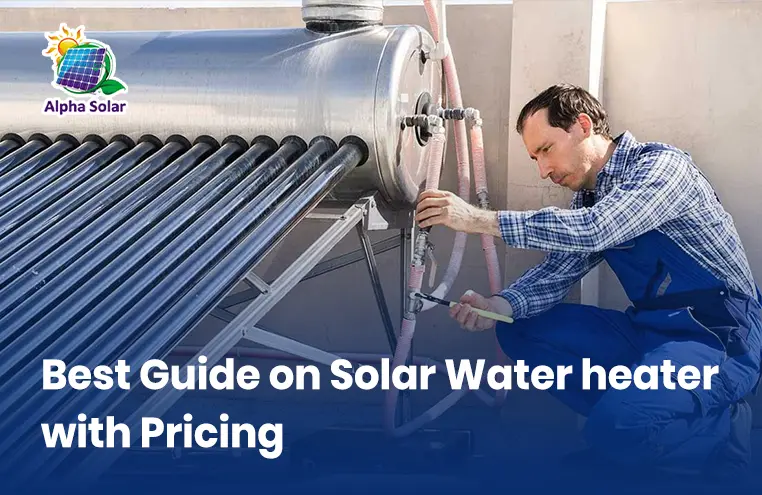
Embarking on the journey of installing solar water heating in your home is a significant step toward energy independence and reducing your carbon footprint. While the technology itself is reliable and effective, the success of your solar hot water system hinges greatly on the expertise and professionalism of the contractor you choose. This guide will walk you through the crucial steps to ensure you select the best professional to bring affordable hot water and renewable energy savings to your home.
Understanding Solar Water Heating Systems
Before diving into the selection process, let's briefly explore how solar hot water systems work. These systems, sometimes called solar thermal energy systems, harness the sun's energy to heat water using solar collectors, typically mounted on your roof. The heated water is then stored in a tank, ready for use in your showers, faucets, and even for space heating in some setups.
A typical system consists of: Solar Collectors: These absorb sunlight and transfer the heat to a working fluid (water or a heat-transfer fluid). Flat-plate collectors and evacuated tube collectors are the most common types. Storage Tank: An insulated tank that stores the heated water for later use. The size of the tank depends on your hot water demand. Circulation System: Pumps and pipes that circulate the fluid between the collectors and the storage tank. Control System: Regulates the system's operation, ensuring optimal performance and preventing overheating or freezing.
Understanding these components will help you have more informed conversations with potential contractors. It also allows you to assess their expertise and understanding of the technology during the selection process.
Why a Good Contractor Matters
While a DIY solar heater project might be tempting for some, installing a comprehensive solar water heating system is generally best left to professionals. A qualified contractor ensures: Proper System Design: They will assess your home's energy needs, roof orientation, and local climate to design a system that maximizes efficiency and savings. Correct Installation: Proper installation is crucial for optimal performance and longevity. A qualified contractor will ensure the system is installed according to manufacturer specifications and local building codes. Safety: Working with electricity and plumbing can be dangerous. A licensed contractor has the knowledge and experience to handle these aspects safely. Warranty: Reputable contractors offer warranties on their workmanship, giving you peace of mind. Rebates and Incentives:Contractors are usually up-to-date on the latest federal, state, and local rebates and incentives, helping you maximize your savings.
Step-by-Step Guide to Selecting a Solar Water Heating Contractor
1. Research and Create a Shortlist
Start Online: Use search engines to find solar water heating contractors in your area. Look for companies with positive reviews and a strong online presence. Use search terms like "solar heating system installer near me," "affordable hot water solutions," or "green water heating companies." Check Local Directories: Consult local business directories, such as the Yellow Pages or Yelp, for listings of contractors in your area. Ask for Referrals: Talk to friends, family, neighbors, and colleagues who have installed solar water heating systems. Personal recommendations are often the most reliable. Industry Associations: Check with industry associations like the Solar Energy Industries Association (SEIA) for a list of qualified contractors in your region. Preliminary Vetting:Before adding a contractor to your shortlist, quickly verify they have a website, a physical address, and a phone number. This weeds out fly-by-night operations.
Aim for a shortlist of at least three to five contractors.
2. Verify Credentials and Licensing
This is a critical step that should not be skipped.
License Verification: Check that the contractors on your shortlist are properly licensed to perform plumbing and electrical work in your state or locality. You can usually verify licenses online through your state's contractor licensing board. Insurance: Ensure the contractor carries adequate liability insurance and workers' compensation insurance. This protects you in case of accidents or damages during the installation process. Ask for proof of insurance. Certifications: Look for contractors with certifications from reputable organizations like the North American Board of Certified Energy Practitioners (NABCEP). While not always mandatory, NABCEP certification demonstrates a commitment to quality and professionalism. Years in Business: While not a guarantee of quality, a contractor with several years of experience is more likely to have the knowledge and expertise to handle your project successfully. Local Regulations:Ensure they are familiar with all local codes and regulations regarding solar installations.
3. Request Quotes and Site Assessments
Contact each contractor on your shortlist and request a detailed quote. A reputable contractor will typically offer a free site assessment to evaluate your home's suitability for solar water heating.
Site Assessment: During the assessment, the contractor should evaluate your roof's orientation, shading, and structural integrity. They should also assess your existing plumbing and electrical systems. System Design: Discuss your hot water needs and the contractor's proposed system design. Make sure they explain the different components of the system and how they work together. Detailed Quote: The quote should include a breakdown of all costs, including materials, labor, permits, and any other associated fees. It should also specify the system's expected performance and energy savings. Ask Questions: Don't hesitate to ask questions about anything you don't understand. A good contractor will be happy to explain the details of the project.
4. Evaluate Quotes and Proposals
Once you've received quotes from all the contractors on your shortlist, it's time to compare them carefully.
Compare Apples to Apples: Make sure you're comparing similar systems and components. The cheapest quote may not always be the best value if it uses lower-quality materials or a less efficient system. Beyond Price: Don't base your decision solely on price. Consider the contractor's experience, reputation, and the quality of their workmanship. Read the Fine Print: Carefully review the terms and conditions of each proposal, including the warranty, payment schedule, and cancellation policy. Check References: Ask each contractor for references from previous clients. Contact these references and ask about their experience with the contractor.
5. Check References and Online Reviews
Talking to past clients and reading online reviews can provide valuable insights into a contractor's performance and reliability.
Contact References: Call the references provided by the contractor and ask about their experience with the installation process, the quality of the workmanship, and the contractor's responsiveness to their needs. Read Online Reviews: Check online review sites like Google, Yelp, and the Better Business Bureau for reviews from other customers. Pay attention to both positive and negative reviews. Look for Patterns: Look for patterns in the reviews. Are there consistent complaints about a particular aspect of the contractor's service? Are there consistent praises about their professionalism and expertise? Take Reviews with a Grain of Salt: Keep in mind that online reviews can be subjective. A few negative reviews shouldn't necessarily disqualify a contractor, but a large number of negative reviews should raise a red flag.
6. Discuss Financing and Incentives
Solar water heating often qualifies for various rebates, tax credits, and other incentives that can significantly reduce the upfront cost of installation.
Incentive Expertise: Your contractor should be knowledgeable about the available incentives and be able to guide you through the application process. Financing Options: Ask the contractor about financing options, such as loans or leases, that can help you spread out the cost of the system over time. Net Metering: Discuss the possibility of net metering, where you can sell excess solar energy back to the grid for credit on your electricity bill. While primarily associated with solar PV, some areas offer similar benefits for solar thermal. Long-Term Savings: Ask the contractor to provide an estimate of the long-term energy savings you can expect from the solar water heating system. This will help you determine the return on your investment.
7. Make Your Decision and Sign the Contract
After carefully evaluating all the factors, it's time to make your decision and sign the contract.
Trust Your Gut: Choose the contractor you feel most comfortable with and who you believe will do the best job. Read the Contract Carefully: Before signing, read the contract carefully to ensure that it includes all the agreed-upon terms and conditions. Payment Schedule: Pay attention to the payment schedule. A reputable contractor will typically require a small deposit upfront and the remaining balance upon completion of the project. Avoid contractors who demand a large upfront payment. Permitting: Ensure the contract specifies who is responsible for obtaining the necessary permits. Warranty: Confirm that the contract includes a warranty on both the equipment and the workmanship. Cancellation Policy: Understand the cancellation policy in case you need to terminate the contract for any reason.
Ongoing Maintenance and Support
Even after the installation is complete, your relationship with the contractor shouldn't end.
Maintenance Schedule: Discuss the recommended maintenance schedule for your solar water heating system. Troubleshooting: Ask the contractor about their process for troubleshooting and resolving any issues that may arise. Emergency Service: Inquire about emergency service availability in case of a sudden malfunction. System Monitoring: If your system includes monitoring capabilities, ask the contractor to explain how to interpret the data and optimize your system's performance.
Conclusion: Investing in a Sustainable Future
Selecting the right contractor for your solar water heating installation is a crucial decision that will impact the performance, longevity, and overall value of your investment. By following these steps, you can confidently choose a qualified professional who will help you harness the power of the sun and enjoy the benefits of affordable, eco-friendly energy solutions for years to come. This journey towards green home technology and sustainable heating solution will not only benefit your wallet but also contribute to a healthier planet.